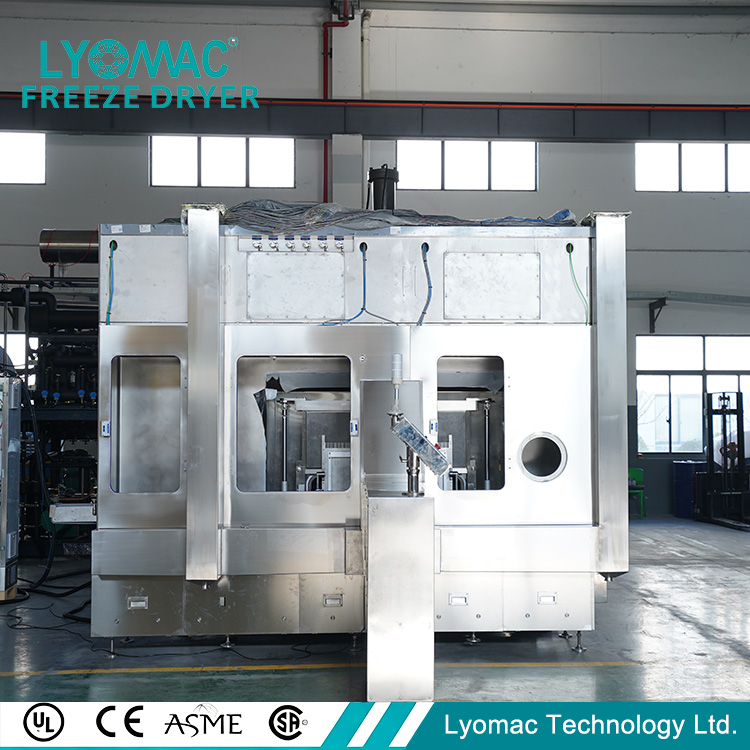
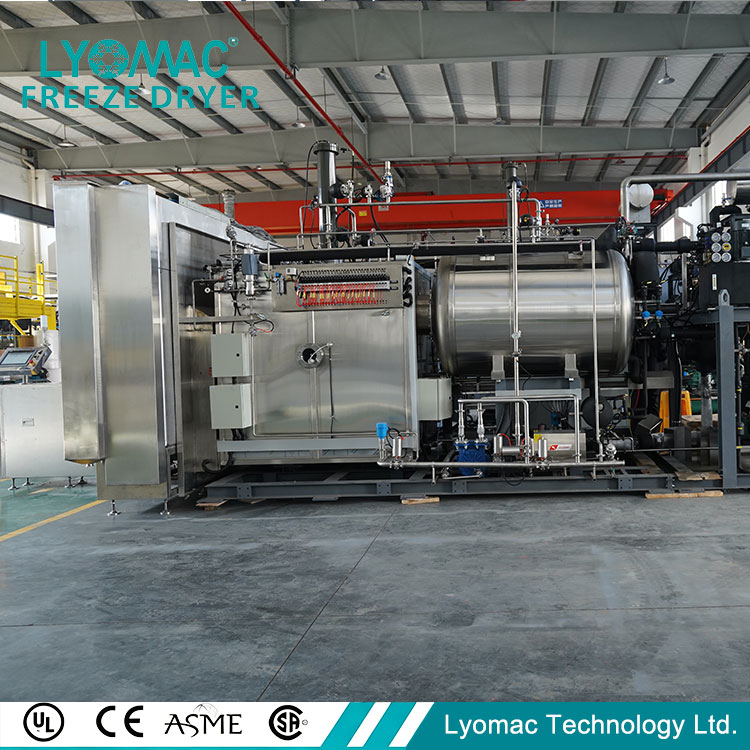
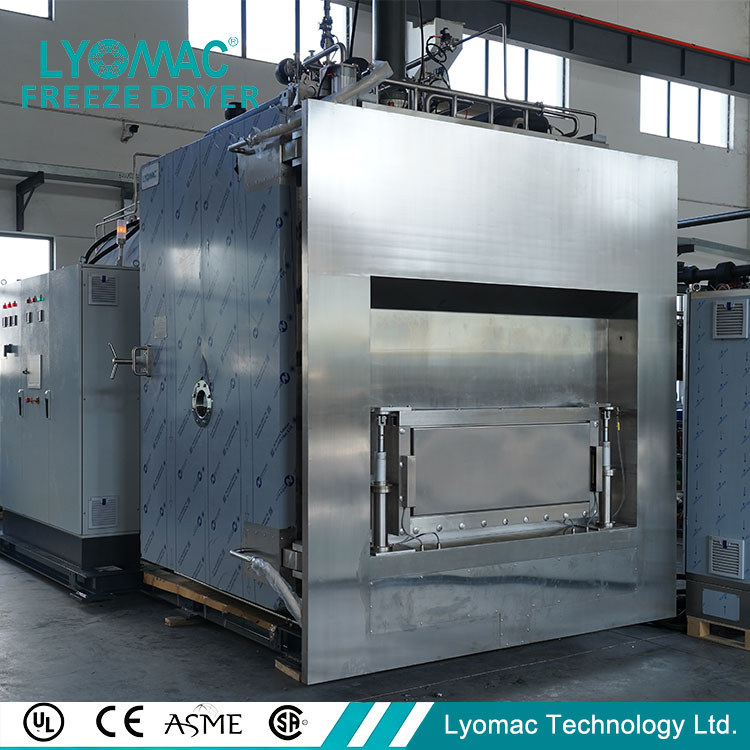
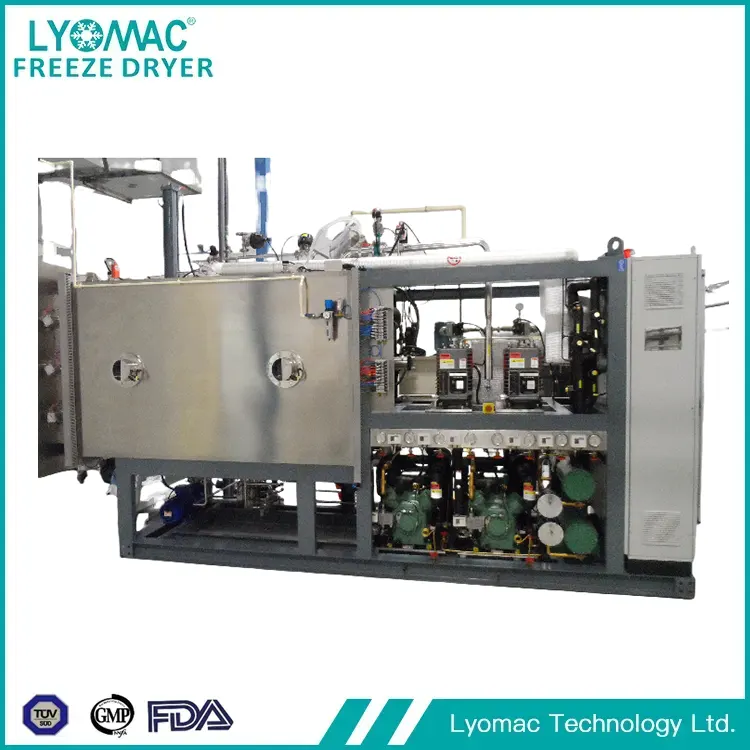
Abstract: Sample Preservation Lyophilizers, commonly known as freeze dryers, are essential tools for laboratories and research institutions aiming to maintain the stability and integrity of sensitive biological, chemical, and pharmaceutical samples. This article explores the operational principles, selection criteria, maintenance procedures, and applications of Sample Preservation Lyophilizers.

Sample Preservation Lyophilizers are advanced freeze-drying devices used in laboratories to remove water content from samples through sublimation under controlled low temperatures and vacuum conditions. The primary purpose is to stabilize heat-sensitive biological and chemical materials while maintaining their structural and functional properties.
The main parameters of a typical Sample Preservation Lyophilizer are listed below for reference:
| Parameter | Specification |
|---|---|
| Model | LP-1000 Series |
| Freezing Temperature | -50°C to -80°C |
| Vacuum Range | 0.1 to 5 Pa |
| Condenser Capacity | 15 kg/24h |
| Chamber Size | 30 L |
| Power Supply | 220V/50Hz |
| Control System | Programmable Touchscreen PLC |
This article will explore how these devices operate, answer common questions, and guide readers through their practical applications in laboratory settings.
Sample Preservation Lyophilizers use a three-stage process: freezing, primary drying (sublimation), and secondary drying (desorption). During freezing, the sample is cooled below its eutectic temperature. Under vacuum conditions, ice crystals sublimate directly to vapor without passing through the liquid phase. Secondary drying removes bound water to achieve the desired residual moisture level.
Precise control of vacuum pressure and temperature ensures sublimation occurs without sample degradation. Rapid freezing may damage delicate structures, while slow drying can extend cycle time and increase risk of contamination.
A1: Regular maintenance every 3–6 months is recommended depending on usage intensity. Check oil levels, clean filters, and replace worn seals to maintain vacuum efficiency and prevent contamination.
A2: Proper defrost cycles and monitoring condenser temperature are critical. Avoid overloading samples and ensure the vacuum system operates within the recommended range to prevent excessive ice buildup.
A3: Use dedicated trays for different sample types, sterilize chambers between batches, and maintain clean handling procedures. Automated controls with programmable cycles can minimize human error and contamination risk.
A4: Identify problems such as low vacuum, unusual noise, or inconsistent drying. Refer to operational manuals for error codes, inspect seals, and ensure proper calibration of temperature sensors.
Lyophilizers preserve protein samples, vaccines, enzymes, and other heat-sensitive biomaterials. Freeze-dried samples maintain long-term stability and are easier to transport without refrigeration.
Freeze-drying extends shelf life of injectable drugs, tablets, and vaccines. Controlled moisture content ensures consistent potency and safety.
Program optimized freezing and drying cycles based on sample properties. Monitor vacuum levels and condenser efficiency to reduce energy consumption and cycle duration.
Sample Preservation Lyophilizers are indispensable tools for laboratory and pharmaceutical applications. Choosing the appropriate unit, maintaining vacuum pumps, and following correct operational protocols ensures high-quality sample preservation. Lyomac Technology Ltd provides a range of reliable and efficient Sample Preservation Lyophilizers, designed to meet diverse research and industrial needs. For further inquiries or to explore product options, contact us today for professional support and consultation.