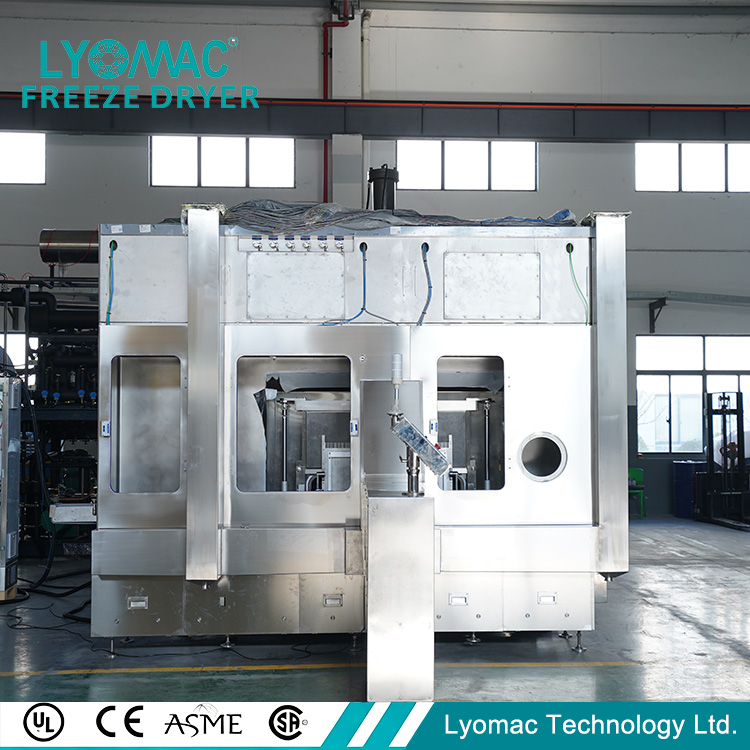
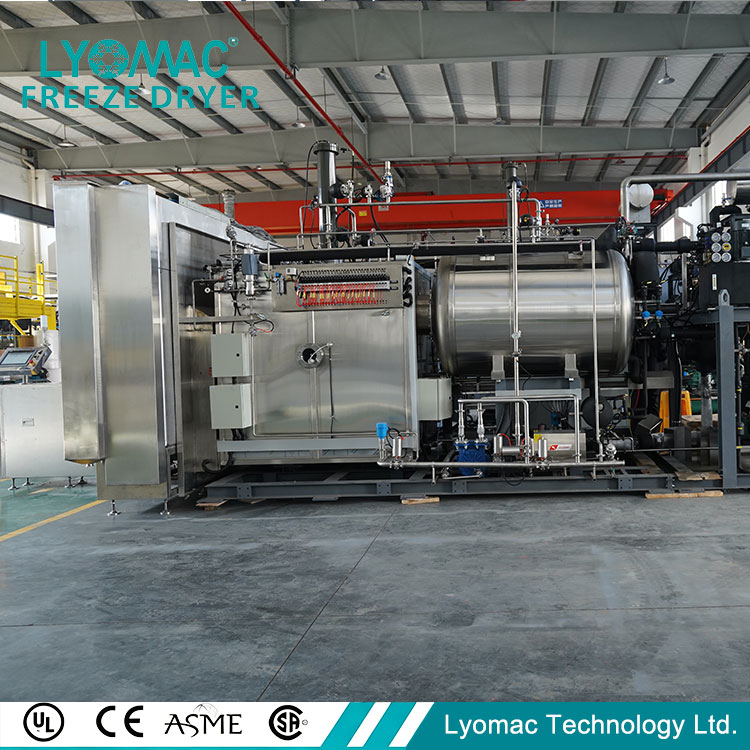
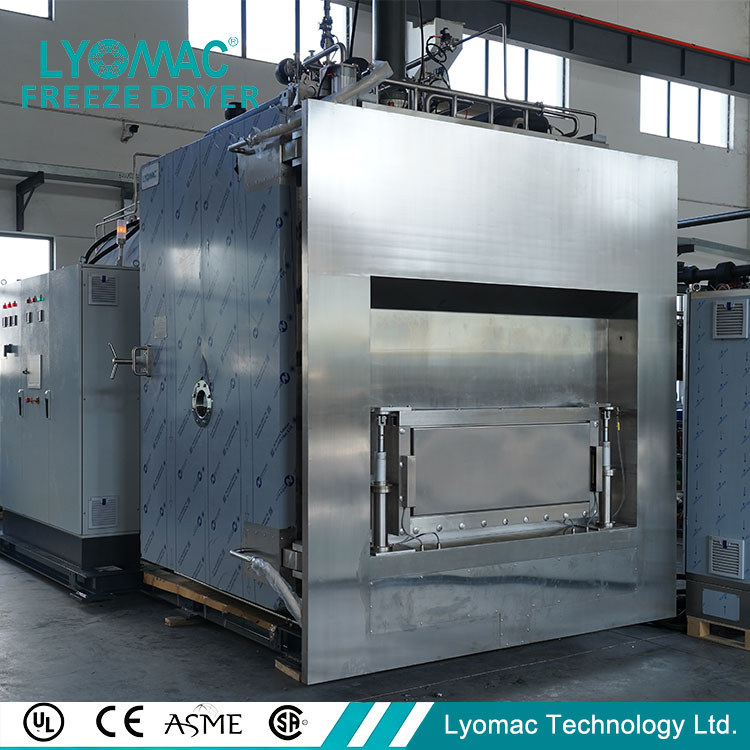
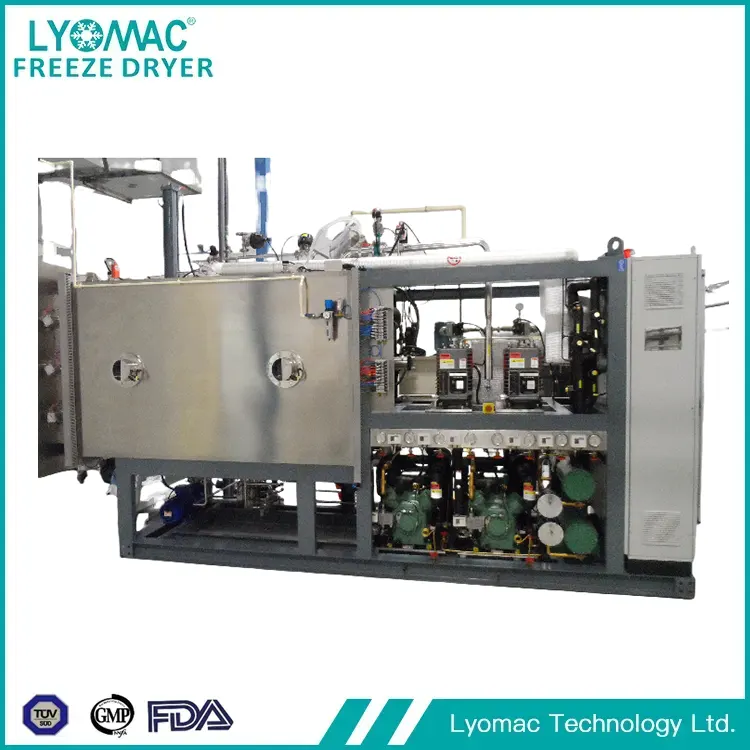
Abstract: Biological Sample Lyophilizers, also known as freeze dryers, are essential equipment in modern laboratories for preserving biological materials without compromising structural integrity. This article explores the design, specifications, and practical applications of Biological Sample Lyophilizers, while providing solutions to common operational questions and considerations for optimal laboratory performance.
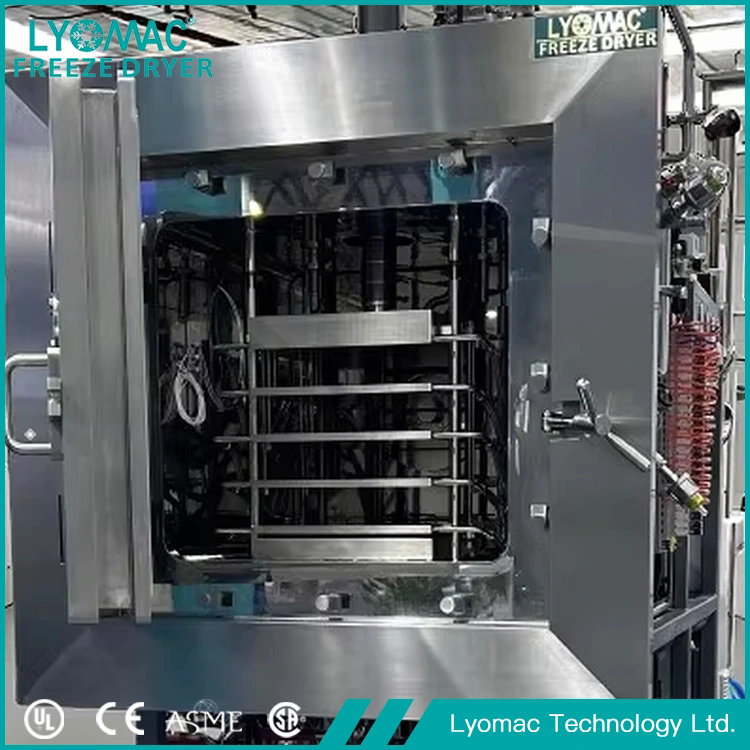
Biological Sample Lyophilizers are specialized laboratory devices that remove moisture from biological samples through sublimation under low temperature and vacuum conditions. This method preserves the structural and functional integrity of sensitive samples such as enzymes, vaccines, tissues, and microbial cultures. The core purpose of this equipment is to extend shelf life, maintain sample stability, and reduce degradation during storage and transport.
Laboratories increasingly rely on Biological Sample Lyophilizers to optimize workflow efficiency, ensure reproducibility of experiments, and enhance research outcomes. These devices are compatible with a range of sample types, including liquid, semi-solid, and bulk biological materials.
The following table summarizes the typical parameters of a high-performance Biological Sample Lyophilizer, illustrating the device's capabilities and operational efficiency:
| Parameter | Specification |
|---|---|
| Freezing Temperature | -50°C to -80°C adjustable |
| Vacuum Range | 5 Pa to 50 Pa |
| Condenser Capacity | 20 kg/24h |
| Sample Shelf Area | 0.5 m² to 2.0 m² |
| Control System | PLC touch-screen with programmable cycles |
| Safety Features | Over-temperature protection, vacuum alarms, power failure recovery |
| Power Requirement | 220V/380V, 50/60Hz |
| Dimensions (L×W×H) | 1500×1200×1800 mm |
A1: Biological Sample Lyophilizers utilize the principle of sublimation, converting ice directly to vapor under vacuum, which removes water content from samples while maintaining their molecular structure. This process eliminates the need for chemical preservatives, reducing contamination risks and retaining the biological activity of sensitive materials.
A2: Lyophilizers are versatile and can handle various sample types, including vaccines, proteins, microorganisms, plasma, plant extracts, and tissue biopsies. Liquid, semi-solid, and bulk solid samples can be accommodated depending on shelf design and condenser capacity.
A3: Regular maintenance, including condenser defrosting, vacuum pump lubrication, and calibration of temperature sensors, ensures consistent performance. Proper loading techniques, avoiding overfilling shelves, and monitoring cycle parameters also contribute to extended device life and reproducible sample quality.
Biological Sample Lyophilizers are integral in multiple scientific and industrial domains. They enable long-term storage of vaccines and pharmaceuticals, preparation of diagnostic kits, stabilization of enzymes and proteins, and preservation of microbial cultures for research and clinical applications.
Laboratories can integrate lyophilizers into automated workflows, pairing them with robotic sample handling systems or controlled storage environments to maximize throughput. Additionally, lyophilization reduces cold chain dependence, facilitating sample transport and distribution across global research networks.
Biological Sample Lyophilizers are indispensable tools for laboratories seeking precision, reliability, and efficiency in sample preservation. LYOMAC, a leading manufacturer, offers advanced lyophilization solutions designed to meet the demands of modern research and pharmaceutical production. Their products combine high-performance specifications, user-friendly interfaces, and safety features to optimize laboratory outcomes.
For more information or to request a quote, contact us to explore LYOMAC's complete range of Biological Sample Lyophilizers.