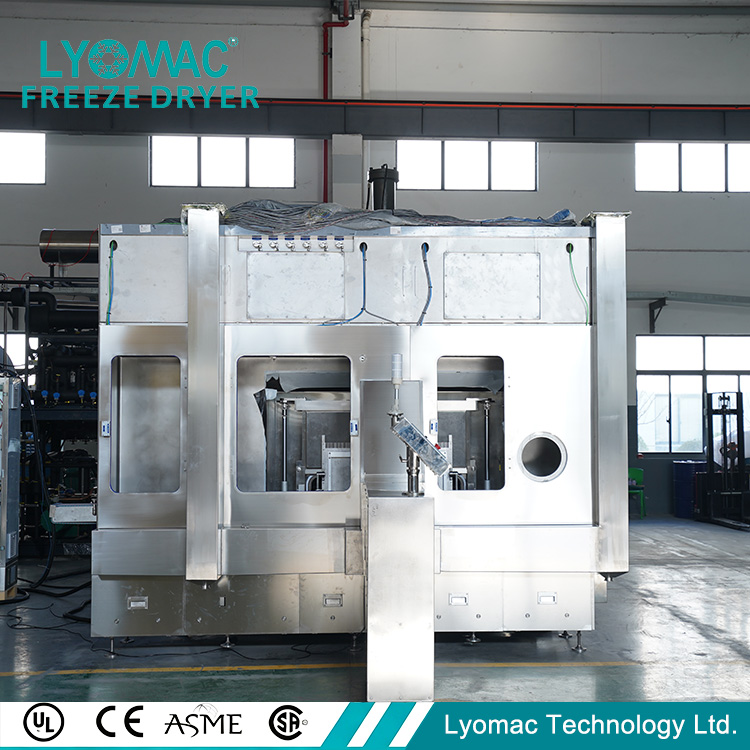
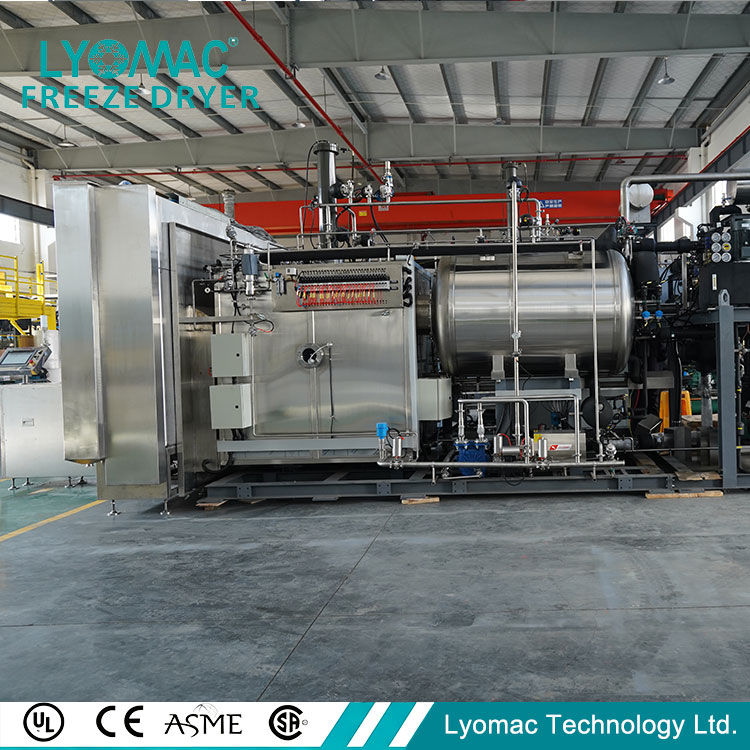
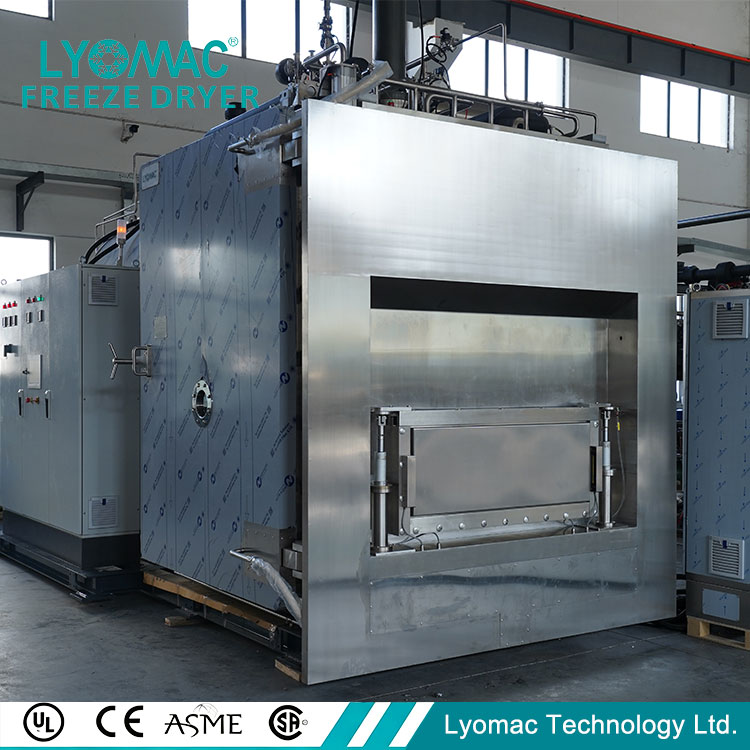
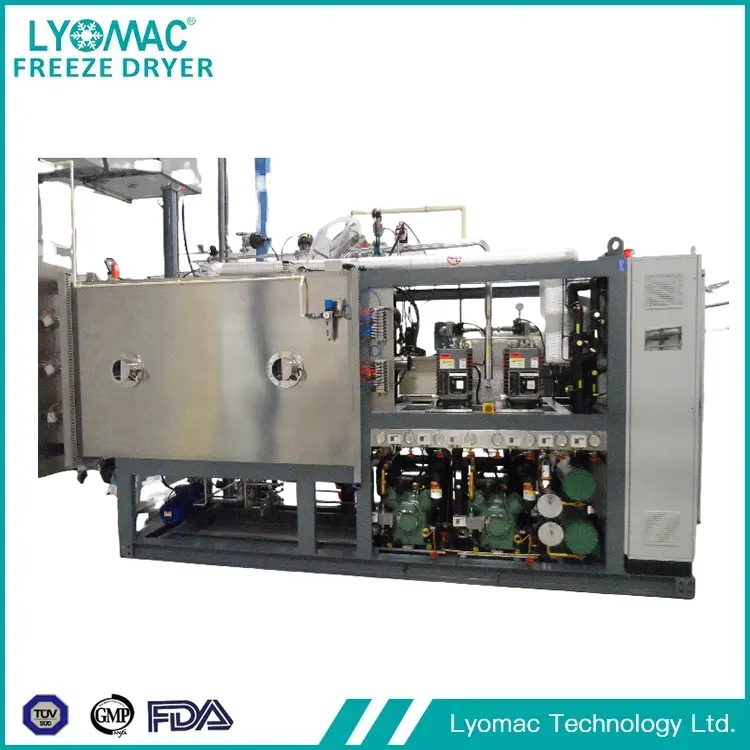
A Laboratory Research lyophilizer, commonly known as a freeze dryer, stands as a cornerstone technology for this purpose. This sophisticated equipment removes water from a frozen product through a process called sublimation, where ice transitions directly into vapor without passing through a liquid phase. This method is indispensable for extending the shelf-life of materials, maintaining their structural integrity, biological activity, and chemical composition far more effectively than traditional drying techniques. From pharmaceutical development and biotechnology to food science and historical preservation, the applications of a high-quality laboratory lyophilizer are vast and critical for achieving reproducible, high-quality results.
| Parameter / Feature | Standard Benchtop Model | Advanced Research Model | Pilot-Scale / GMP-ready Model |
|---|---|---|---|
| Condenser Temperature | -55°C | -85°C | -85°C or -105°C (ultra-low) |
| Ultimate Vacuum | 0.011 mbar | 0.001 mbar | 0.001 mbar (with enhanced leak integrity) |
| Shelf Temperature Range | -45°C to +60°C | -50°C to +70°C | -55°C to +70°C |
| Ice Capacity | 4 kg | 6-10 kg | 15-30 kg+ |
| Shelf Area | 0.2 m² | 0.4 - 0.6 m² | 0.8 - 2.0 m² |
| Shelf Type | Stationary or Manual Stoppering | Programmable Stoppering | Hydraulic Stoppering (CIP/SIP optional) |
| Refrigeration | Single-stage | Cascade | Industrial Cascade |
| Control System | Basic Digital Controller | Color Touchscreen, Recipe Storage, Data Export | Fully Validatable (21 CFR Part 11 compliant options) |
| Primary Application | General Lab Samples, Small Batches | Pharmaceutical R&D, Sensitive Biomolecules | Process Development, Small-scale Production |
Freeze-drying, also known as lyophilization, is essentially a three-step drying method. First, the material to be processed is frozen solid. Second, a vacuum is created, lowering the environmental pressure to an extremely low level. At this point, the ice doesn't melt into water but instead evaporates as water vapor – this is called primary drying. The escaped water vapor is captured by an ultra-low temperature condenser. Finally, while maintaining the vacuum, the shelf temperature is slightly increased to remove any remaining water molecules that haven't frozen but are still attached to the material. This results in a stable and dry finished product.
The choice depends entirely on the sample you are processing. A standard condenser is sufficient for many scenarios, such as simple solutions, some foods, or cultures. However, for materials with extremely low freezing points or disintegration temperatures, such as complex biological agents, vaccines, proteins, and phospholipids – these delicate substances – an ultra-low temperature condenser is necessary. Maintaining a large vapor pressure differential is crucial for these samples; it ensures rapid drying while preserving their activity, and this condition is essential.
Regular maintenance is crucial; otherwise, the machine's performance will decline, and it will break down quickly. Routine maintenance can be divided into stages:
Daily or weekly: Check the oil level in the vacuum pump and its color. Change the oil according to the instructions—generally, it should be changed every 3 to 6 months of continuous use. Clean the sealing gaskets of the chamber and condenser to prevent aging and vacuum leakage.
Absolutely not! Ordinary freeze dryers only accept water vapor. Organic solvents like acetone, ethanol, and acetonitrile have much higher vapor pressures than water, and standard water-ice condensers simply cannot capture them. These solvents can damage the machine's seals, thin the vacuum pump oil and cause it to fail, and in severe cases, even pose an explosion risk. To freeze-dry solvents, a specialized solvent trap or a condenser capable of operating below -100°C, along with a dedicated vacuum pump, is required.
The core difference lies in their processing methods and applicable scenarios: Batch freeze dryers have a large chamber with heated shelves that allow samples in trays or vials to be freeze-dried together under identical conditions, suitable for processing large quantities of the same type of sample at once; multi-unit (also called port-type) freeze dryers have multiple ports in the chamber, each capable of connecting a flask or ampoule, better suited for processing small quantities of different types of samples at once, avoiding cross-contamination. However, their ability to control sample temperature is not as good as that of batch freeze dryers with direct contact with the shelves.
Determining a process cannot be done haphazardly; experiments must be conducted systematically. The key steps are as follows: First, using tools such as a freeze-drying microscope, determine the sample's "bottom-line temperature"—that is, the eutectic point and disintegration temperature—and do not exceed this temperature. Second, based on this temperature, develop a freeze-drying plan, including the heating rate, the maximum temperature to be reached, and whether annealing is necessary. Third, during the initial drying, the shelf temperature and chamber pressure must be set lower than the disintegration temperature. This ensures rapid sublimation and stable heat transfer. A "pressure recovery test" can be used to monitor the process. Fourth, during the secondary drying, the temperature is gradually increased to remove residual moisture without damaging the sample. Finally, the residual moisture level is measured to determine if the process is effective.
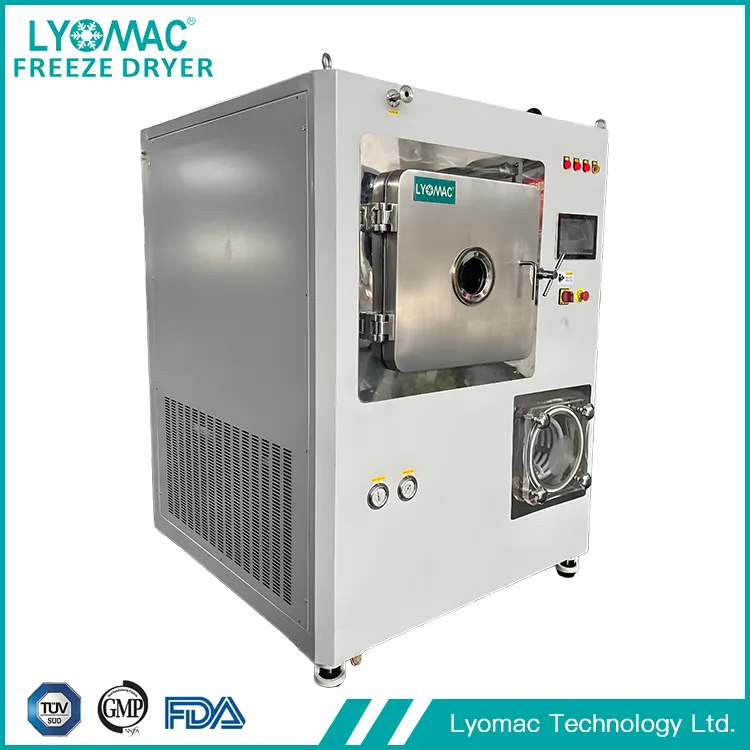
As the professional manufacturer, we would like to provide you high quality Lab Model Lyophilizer. The LYOMAC 4L-12L Series Experimental Freeze Dryer is specifically designed to bridge the gap between laboratory benchtop units and pilot-scale production systems. This series boasts a powerful ice condenser capacity ranging from 4kg to 12kg, combining a stringent cGMP-compliant design philosophy with advanced shelf temperature control technology. It perfectly balances experimental flexibility with the simulation of production conditions. It is an ideal choice for high-value drug development, biologic formulation, and the exploration of complex lyophilization processes, ensuring seamless scalability of experimental data to industrial production.
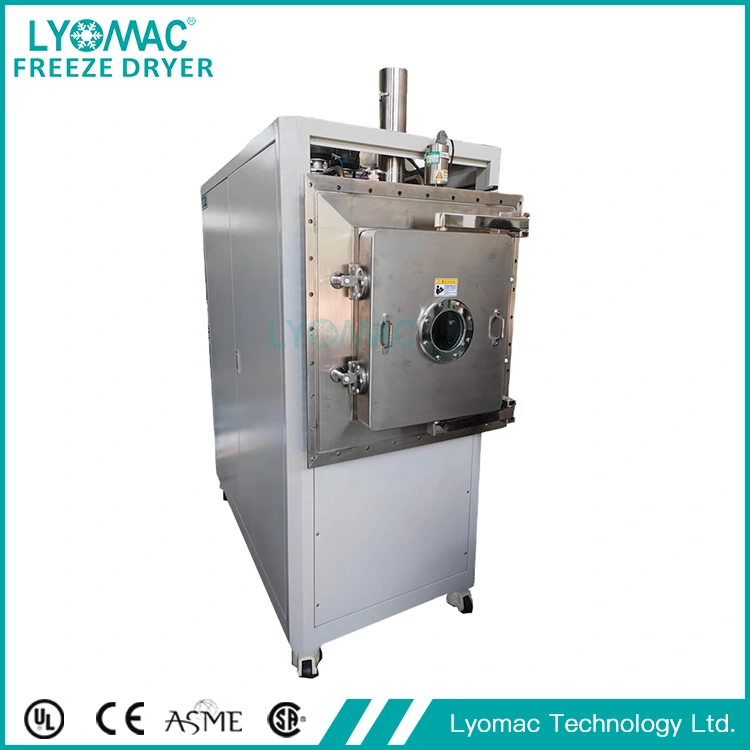
Our Automatic Freeze Dryer for Biotech, with a drying capacity of up to 1000 liters, meets the production needs of both small bottles and other material suppliers. Energy efficient control system for compressor and vacuum pump. Regulatory compliant SCADA control system.
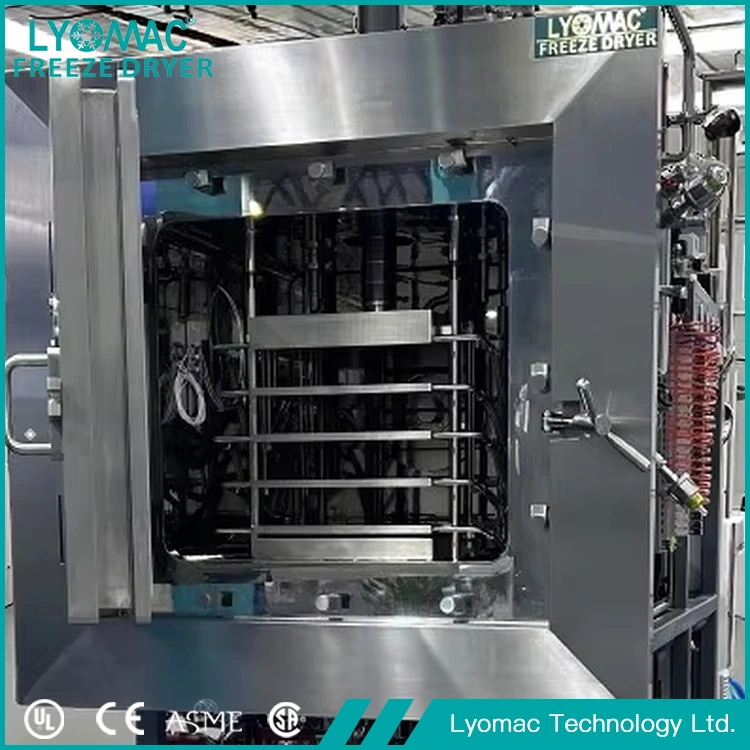
Lab Lyophilizer For Samples made in China is one kind of products from LYOMAC factory. Powered by a powerful 380-volt power supply, it weighs up to 800 kilograms and comes with a comprehensive 1-year warranty.
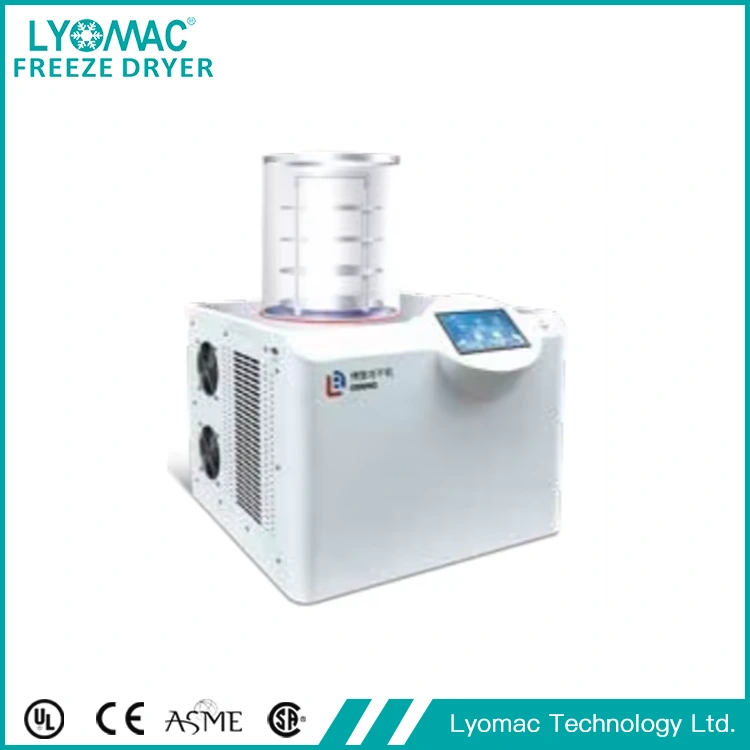
Vacuum Lyophilizer Lab Model is produced by Lyomac factory, as the manufacturer and supplier in China, we have prodvided it in high quality to wholesalers all over the world. The standard model has a drying chamber height of 345 mm, the plug model has a height of 410 mm, and the manifold model has a height of 525 mm.
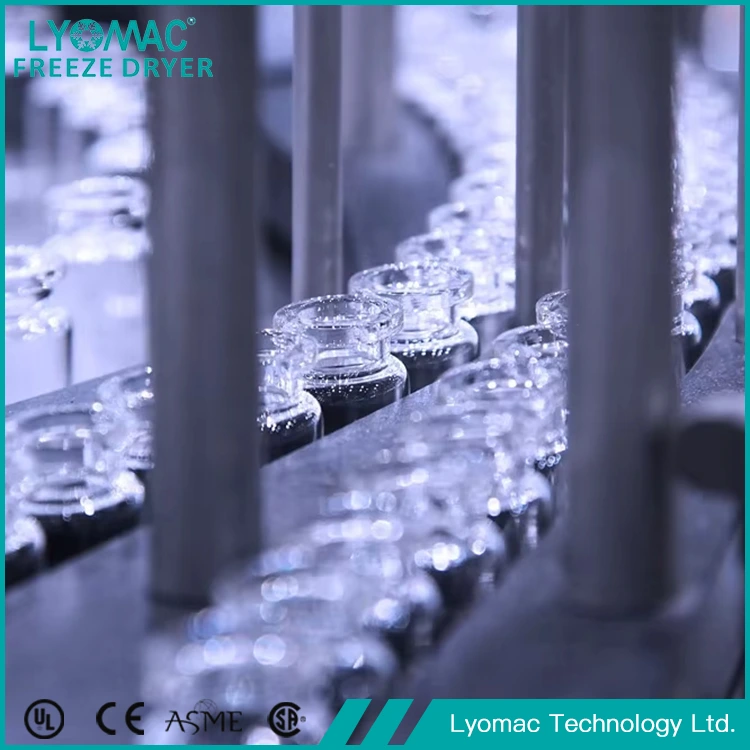
Lyomac is a manufacturer and supplier in China. we provide Lab-Scale Lyophilizer System in high quality to wholesalers around the world. It can be adjusted according to the process requirements and supports automatic bottle feeding and discharging system is divided into two types: stationary and mobile. Improve the level of sterility assurance.
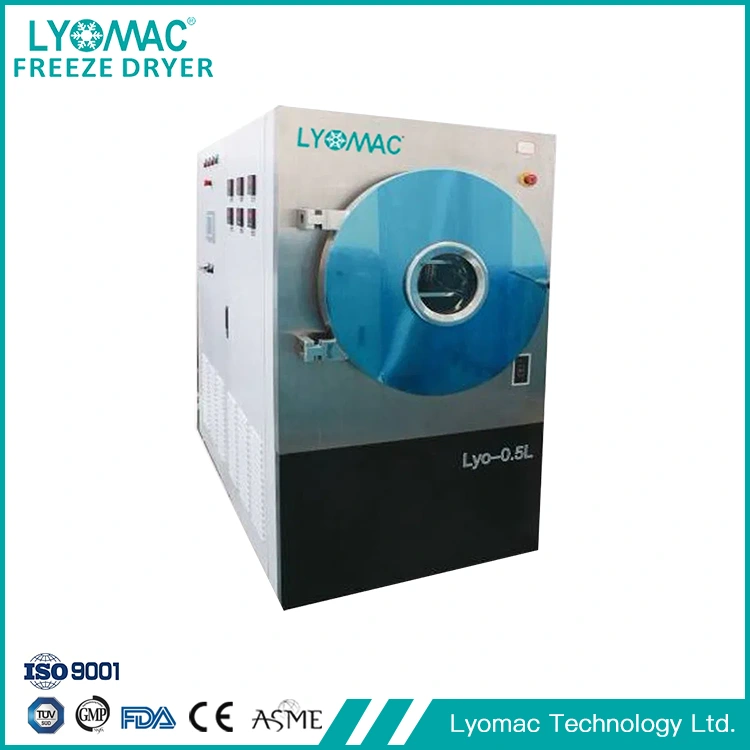
LYOMAC is a professional manufacturer of Vacuum freeze dryer (Lyophilizer) and Auto loader for pharmaceutical, Biological industries since 2009. In key fields such as biomedicine, vaccine development, and clinical testing, Laboratory Benchtop Lyophilizer, as core freeze-drying equipment, are a crucial link in ensuring drug quality and scientific research accuracy due to their highly efficient preservation capabilities for bioactive substances. With over a decade of experience in medical freeze-drying technology, we have developed medical vacuum freeze dryers that combine compliance, stability, and intelligent features, adapting to all scenarios from laboratory pilot-scale testing to pilot-scale production, helping enterprises and research institutions achieve efficient freeze-drying operations.