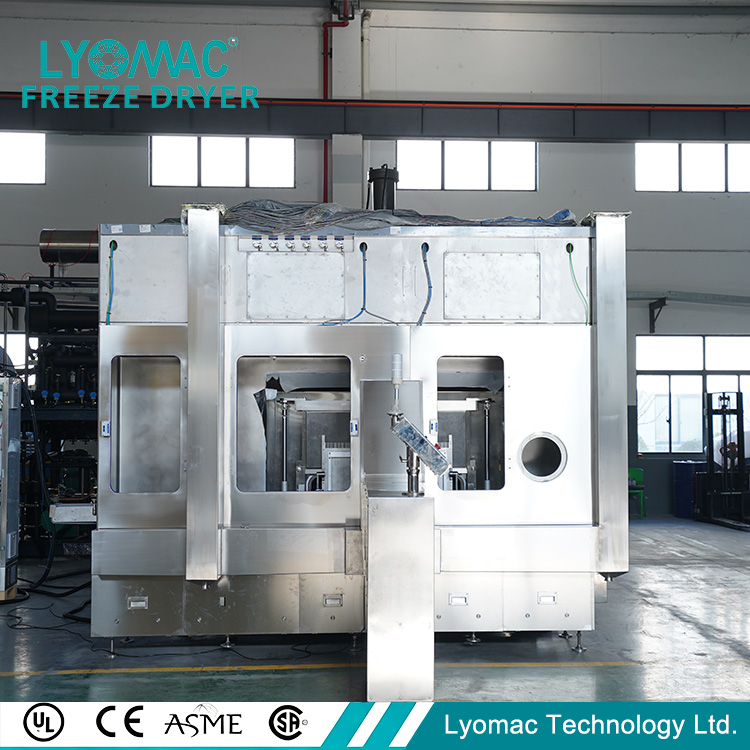
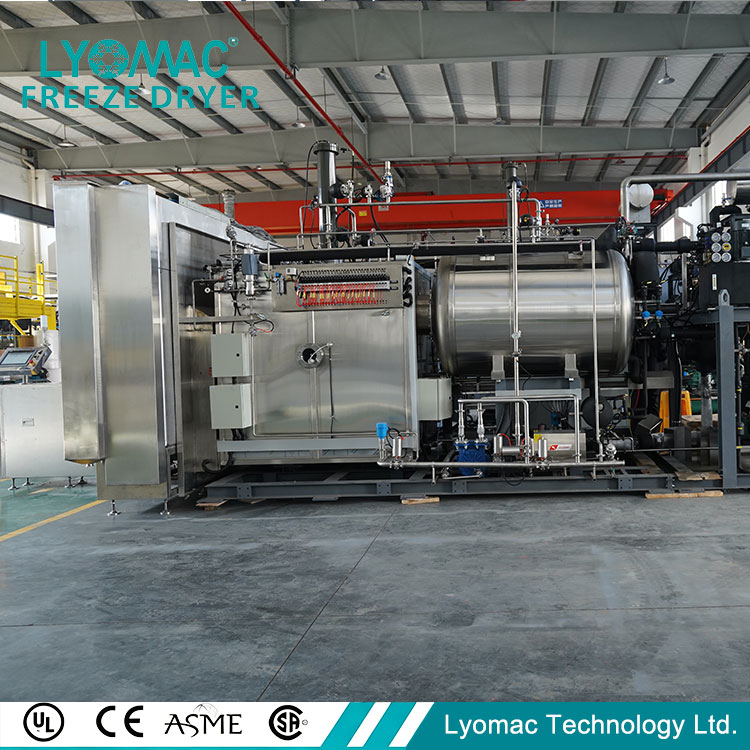
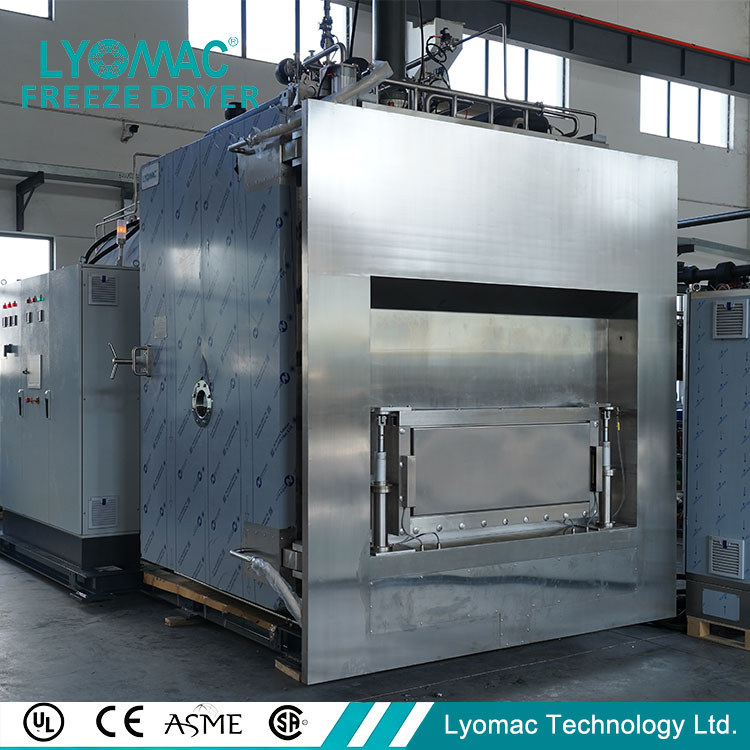
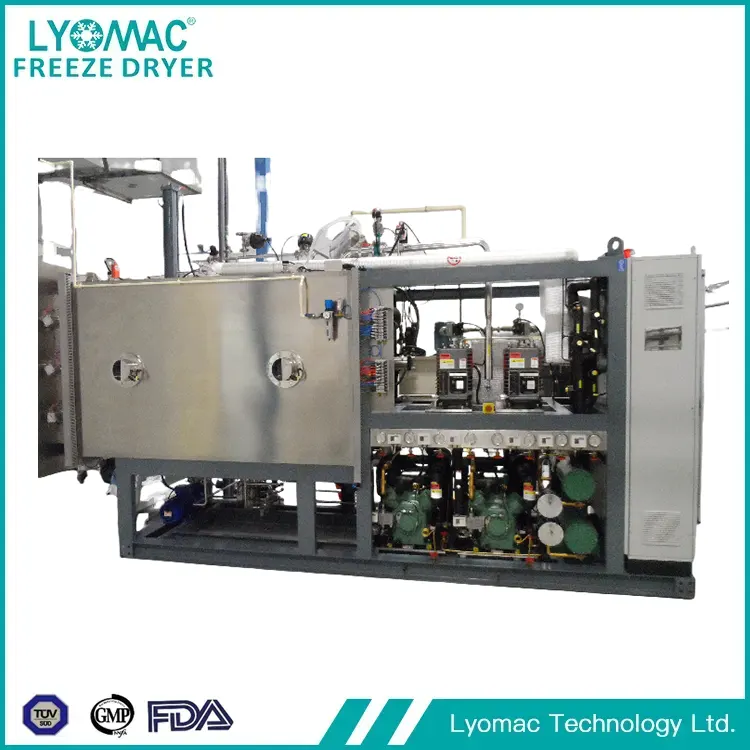
Harnessing Advanced Technology for Superior Food Preservation
In the modern agricultural and food processing industries, preserving the intrinsic quality of produce—its nutritional value, vibrant color, potent aroma, and original shape—is paramount. Traditional drying methods often fall short, leading to significant degradation. This is where the revolutionary technology of Agricultural Freeze Drying Machine comes into play. Also known as lyophilization, this process involves freezing the product and then reducing the surrounding pressure to allow the frozen water to sublimate directly from the solid phase to the gas phase.
Core Technical Specifications & Capabilities
Material & Construction Specifications
| Component | Material / Specification | Benefit |
|---|---|---|
| Drying Chamber | AISI 316L Stainless Steel (polished interior) | Superior corrosion resistance, meets food-grade and pharmaceutical standards, easy to clean and sterilize. |
| Shelves | 304 Stainless Steel, hollow for silicone oil circulation | Excellent and uniform heat transfer across the entire surface area. |
| Condenser Coils | 304 Stainless Steel, finned-tube design | Maximizes surface area for efficient vapor trapping and defrosting. |
| Vacuum System | Oil-sealed rotary vane pump + Roots blower combination | Provides fast pump-down and maintains deep, stable vacuum essential for sublimation. |
| Refrigeration System | Industrial screw compressors, R404a or R507 refrigerant | High efficiency, reliable low-temperature performance, suitable for 24/7 operation. |
| Heating System | Closed-loop silicone oil system with electric heaters | Provides safe, uniform, and controllable shelf heating. |
| Insulation | High-density polyurethane foam (≥120mm thickness) | Minimizes thermal loss, improves energy efficiency. |
Frequently Asked Questions (FAQ)
What types of agricultural products are best suited for freeze drying?
A wide variety of produce excels with freeze drying. This includes fruits (berries, mango, banana slices, apples), vegetables (peas, corn, bell peppers, herbs, mushrooms), complete meals, dairy products, coffee, and even pet food ingredients. Products with high sugar or oil content require specific cycle parameter adjustments.
How long can freeze-dried agricultural products be stored?
As long as the packaging is chosen correctly—for example, using bags with aluminum foil linings and desiccants inside, ensuring proper moisture and oxygen protection—freeze-dried agricultural products can be stored at room temperature for 10 to 25 years without any problems! The shelf life depends largely on the product and the storage environment. The key is that freeze-dried food has very low moisture content, typically only 1% to 4%, preventing bacterial growth and enzyme activity, thus reducing spoilage.
Where does an agricultural freeze dryer primarily consume electricity?
There are three main energy hogs: First, the refrigeration system, which is crucial for maintaining the condenser's low temperature and for initially freezing the raw materials; second, the vacuum system, specifically the vacuum pump, which creates and maintains a high vacuum in the drying chamber, consuming significant electricity; and third, the heating system, which provides stable heat for both the initial ice sublimation during drying and the secondary removal of residual moisture. However, newer machines are quite intelligent, equipped with high-efficiency screw compressors, thick insulation for the drying chamber, and automatic optimization of the circulation system to save electricity.
Can this machine process different batches of products simultaneously?
It's strongly discouraged to dry vastly different products together, such as delicate herbs and large chunks of meat in the same batch. Think about it: the machine's parameters—such as shelf temperature, vacuuming rhythm, and drying time—are all adjusted according to the characteristics of a specific product. Drying them together will definitely result in poor quality: some might not be completely dry, remaining damp; others might be over-dried, resulting in poor nutrition and taste. If you want to process multiple products, it's best to do so in separate batches—this is industry practice.
How do you maintain this type of machine? Which parts are prone to failure?
Regular preventative maintenance is crucial; don't wait until it breaks down to repair. Check the vacuum pump daily or weekly: ensure the oil level is sufficient and that the refrigerant level in the indicator is normal. Monthly tasks are also plentiful: after defrosting, clean the condenser coils and check for leaks. Ideally, have a professional mechanic perform a major service annually, including changing the vacuum pump oil, replacing the pump inlet filter, checking refrigerant levels, and calibrating the sensors. Commonly damaged parts include: vacuum pump oil (a consumable), the pump inlet filter, door seals (O-rings, which wear out easily with frequent use), and the refrigerant dryer filter.