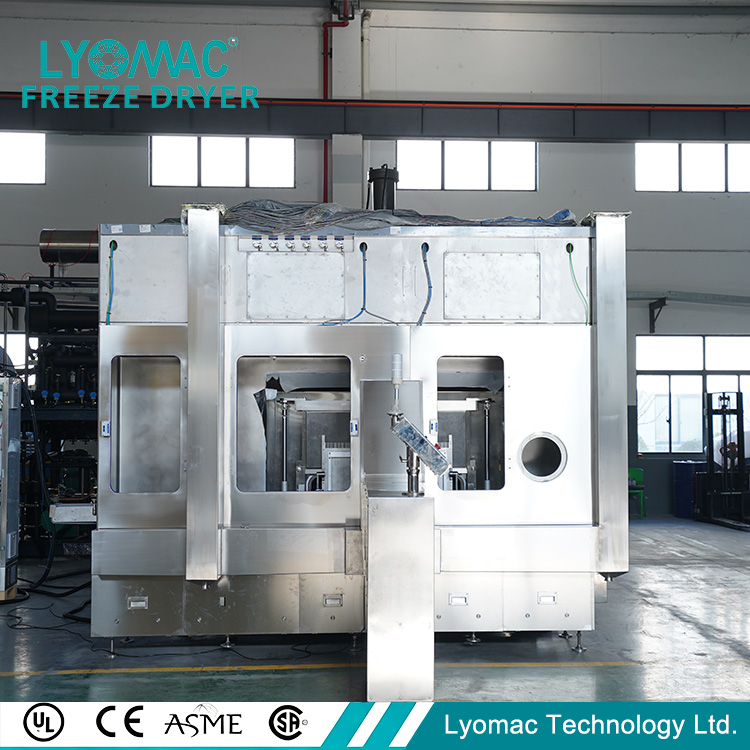
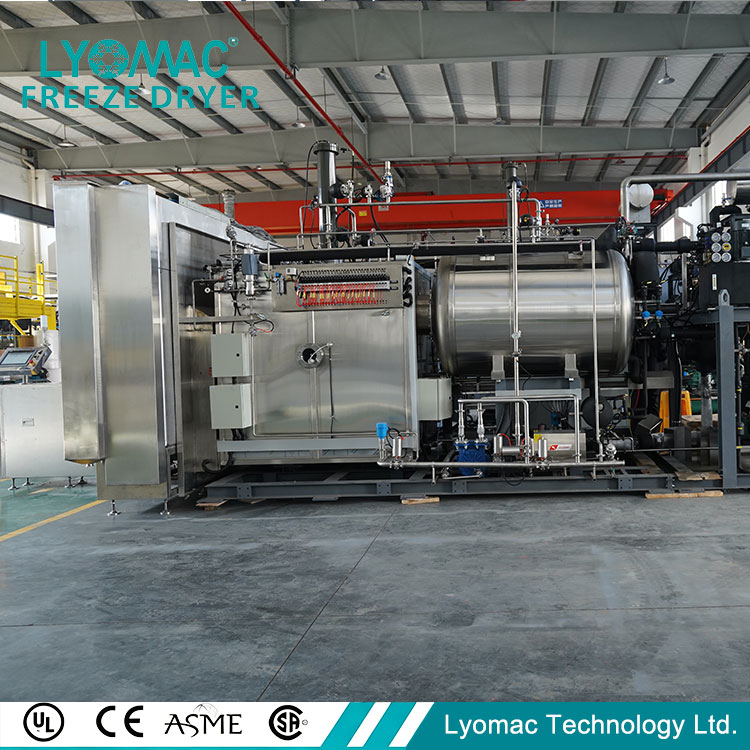
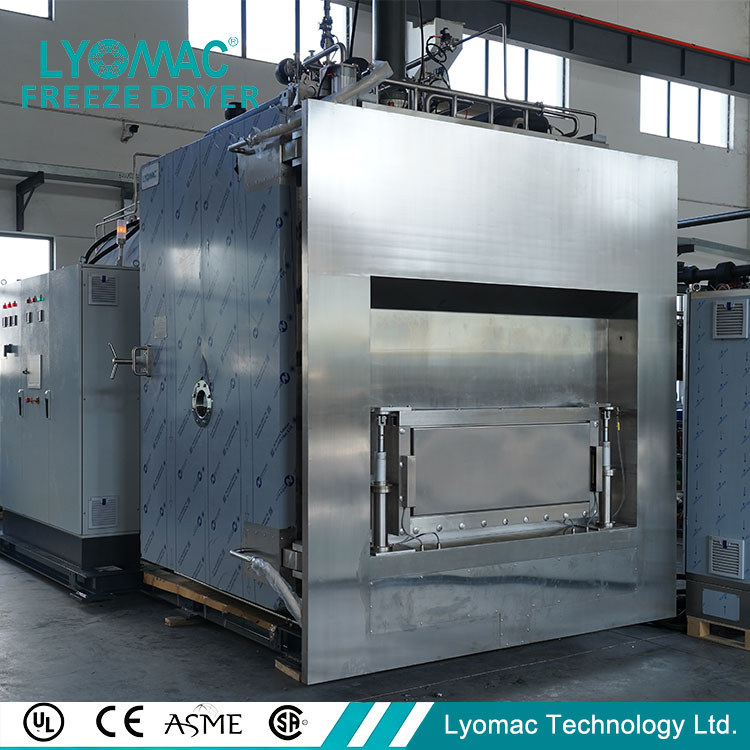
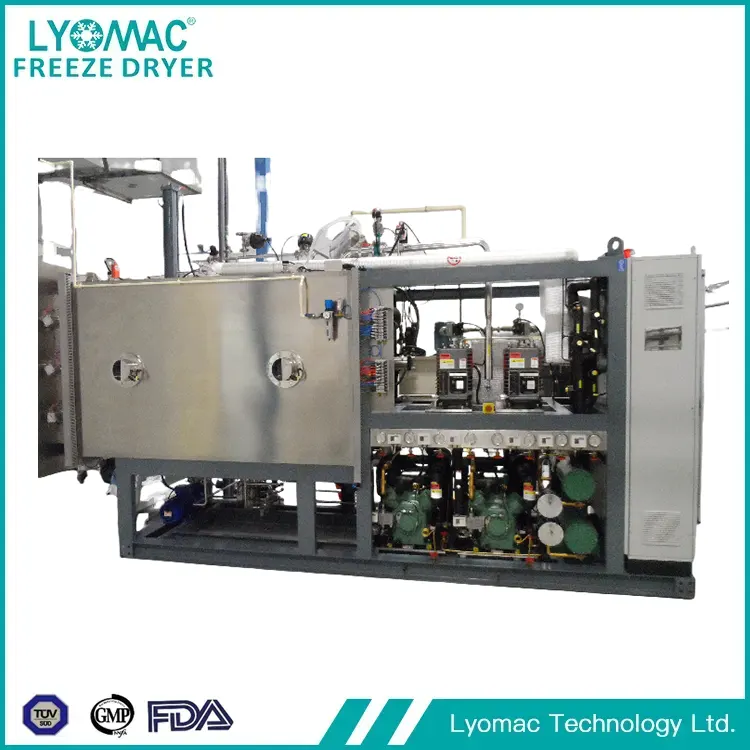
Article Summary: This comprehensive guide explores the usage, optimization, and technical specifications of Lab Lyophilizer For Samples. It includes common laboratory challenges, expert solutions, detailed product parameters, providing laboratories with actionable insights to enhance sample preservation efficiency.
Lab Lyophilizer For Samples, commonly known as a laboratory freeze dryer, is an essential instrument designed to preserve sensitive biological, pharmaceutical, and chemical samples by removing water content under low temperature and vacuum conditions. Lyophilization is widely adopted in laboratories for its ability to maintain sample integrity, extend shelf life, and facilitate long-term storage.
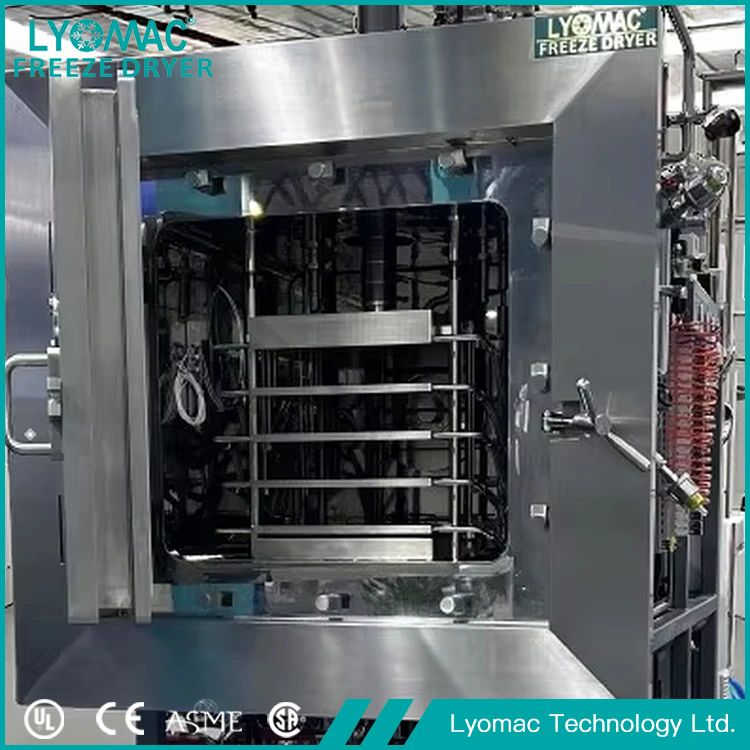
The primary objective of this guide is to provide laboratory professionals with a detailed understanding of the operational, technical, and practical aspects of Lab Lyophilizer For Samples, ensuring effective sample preservation, optimization of the freeze-drying process, and resolution of common laboratory challenges.
Lab Lyophilizer For Samples is equipped with advanced features to handle diverse laboratory requirements. The following table summarizes the key technical parameters:
| Parameter | Specification |
|---|---|
| Model | LYO-500S / LYO-1000S |
| Sample Capacity | 0.5 – 2 liters per batch |
| Condenser Temperature | -55°C to -85°C adjustable |
| Vacuum Level | 0.1 – 10 Pa |
| Heating Shelf Temperature | Ambient +5°C to 70°C |
| Control System | Intuitive touch screen with programmable freeze-drying cycles |
| Power Supply | 220V / 50Hz, 2 kW |
| Dimensions | 800 x 700 x 1500 mm |
| Weight | 180 kg |
These parameters allow precise control of temperature, pressure, and drying cycles, accommodating sensitive biological materials such as enzymes, vaccines, and microbial cultures. The user-friendly interface simplifies operation while maintaining high reproducibility.
The optimal freeze-drying cycle depends on sample type, volume, and desired preservation outcome. Begin by freezing samples rapidly to minimize ice crystal formation. Adjust the primary drying phase temperature slightly below the sample’s eutectic point to prevent structural collapse. Monitor chamber pressure to maintain the recommended vacuum range. Secondary drying should continue until residual moisture reaches <2%, verified using moisture analyzers.
Regular maintenance ensures operational efficiency and longevity. Clean condenser coils weekly using a mild detergent and soft cloth. Check vacuum seals monthly for wear or leaks. Replace desiccants and oil in vacuum pumps as per manufacturer guidelines. Calibration of temperature sensors and pressure gauges is recommended quarterly to ensure precise control of freeze-drying parameters.
Incomplete drying often results from incorrect shelf temperature or insufficient vacuum. Adjust shelf temperature incrementally and verify vacuum integrity. Sample collapse can occur due to rapid sublimation or exceeding eutectic temperature. Reduce ramp rate and monitor temperature closely. Always pre-test small sample batches to identify optimal freeze-drying parameters.
Optimization begins with understanding sample characteristics. For biological samples, rapid freezing followed by controlled primary drying preserves cell structure. Pharmaceutical powders require slower sublimation to maintain chemical stability. Customizing cycles based on sample properties increases efficiency and minimizes degradation.
Modern Lab Lyophilizer For Samples models include programmable cycles and automated monitoring. By setting precise temperature, pressure, and duration parameters, laboratories can achieve reproducible results. Data logging features assist in validating processes for regulatory compliance.
Freeze-drying is energy-intensive. Optimization strategies include pre-freezing samples to lower initial moisture content, consolidating batches to reduce cycle frequency, and maintaining vacuum pump efficiency. Energy-efficient operation not only reduces costs but also extends the equipment lifespan.
Proper scheduling of freeze-drying cycles enhances laboratory productivity. Integration with sample management systems allows accurate tracking and reduces downtime. Cross-training personnel on standard operating procedures ensures consistent and safe operation across shifts.
Lab Lyophilizer For Samples remains a critical tool for laboratories focused on sample preservation and analysis. Understanding technical parameters, common challenges, and optimization strategies allows laboratories to maximize operational efficiency and ensure sample integrity. LYOMAC offers a reliable and high-performance range of Lab Lyophilizers designed to meet diverse laboratory requirements.
For more information and to explore our full range of solutions, contact us today.