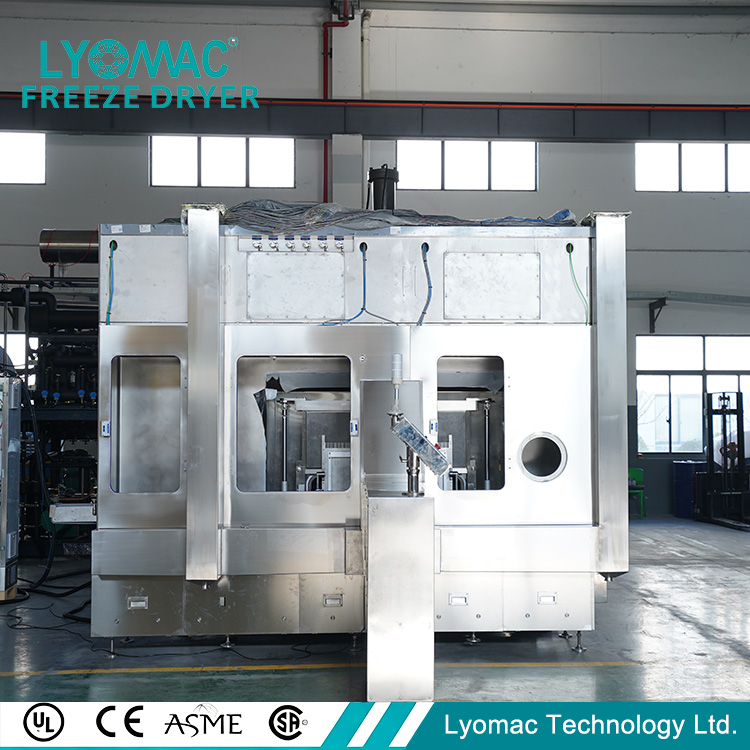
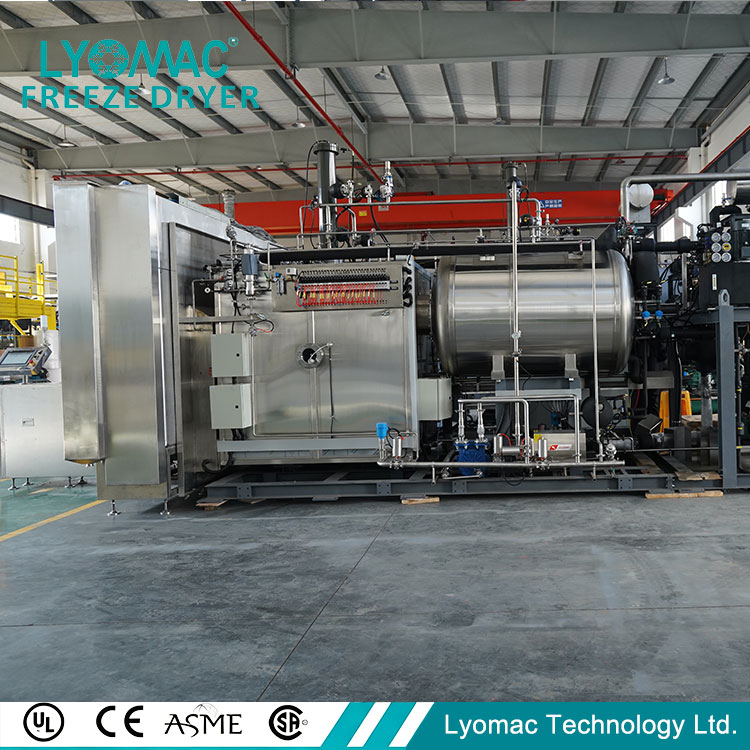
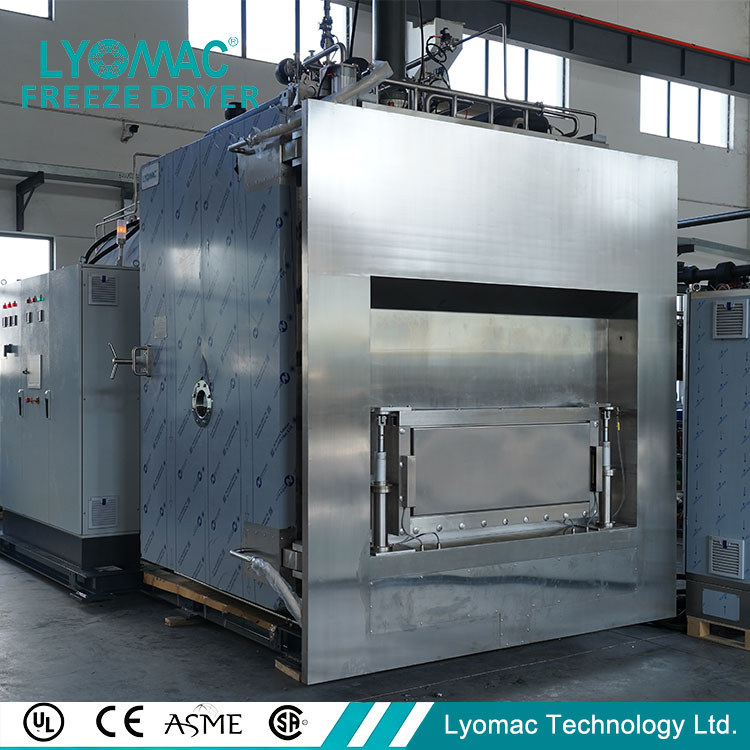
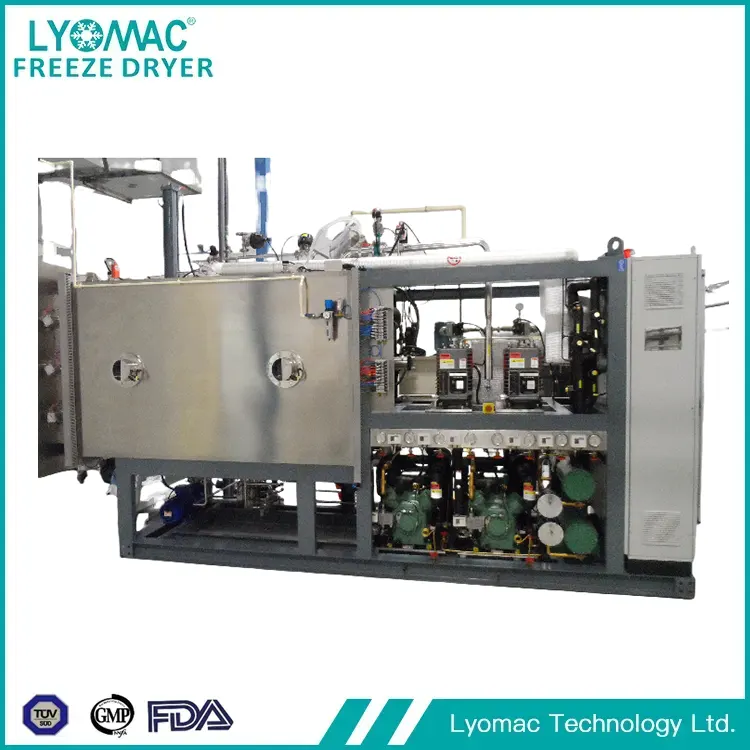
A Nutraceutical Lyophilizer plays a critical role in modern dietary supplement manufacturing by enabling low-temperature dehydration that preserves bioactivity, structure, and stability of sensitive ingredients. This article provides a comprehensive examination of nutraceutical lyophilization equipment, focusing on system configuration, technical parameters, operational logic, regulatory alignment, and industrial use cases. Through structured analysis and common-question clarification, the content outlines how freeze-drying technology supports consistent quality, scalability, and long-term product viability in nutraceutical production environments.
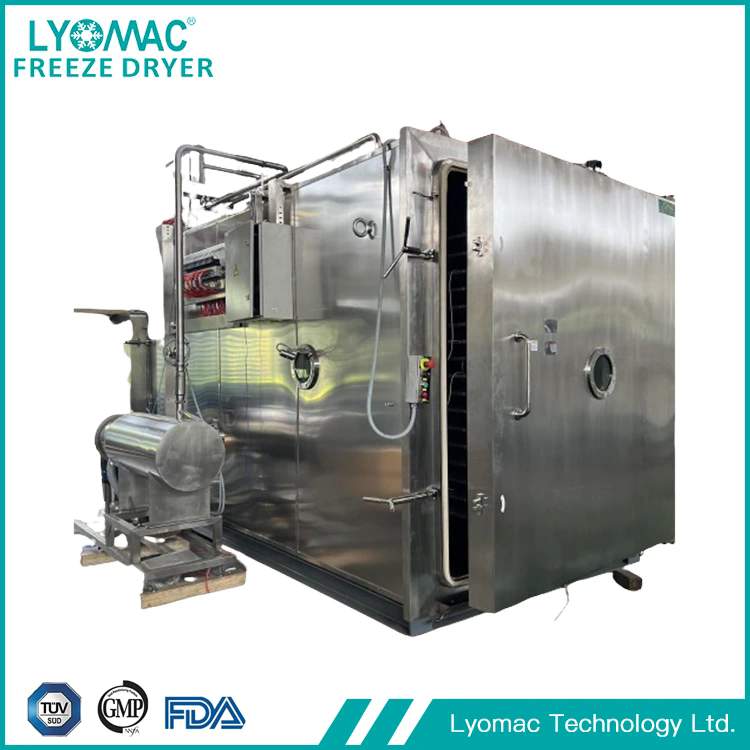
A Nutraceutical Lyophilizer is an industrial freeze-drying system specifically engineered to process dietary supplement ingredients such as probiotics, enzymes, botanical extracts, peptides, vitamins, and functional food intermediates. The equipment operates by removing water through sublimation under controlled vacuum conditions, allowing thermally sensitive compounds to retain their molecular integrity.
Unlike conventional dehydration methods, nutraceutical lyophilization maintains porous microstructures, enabling rapid rehydration and improved bioavailability. The central objective of a nutraceutical lyophilizer is to stabilize active ingredients while meeting stringent quality, safety, and regulatory requirements commonly associated with the dietary supplement industry.
The performance of a Nutraceutical Lyophilizer is determined by a combination of thermal control, vacuum efficiency, chamber design, and automation logic. These parameters must align with the physicochemical characteristics of nutraceutical materials and the scale of production.
| Parameter | Typical Specification Range | Technical Relevance |
|---|---|---|
| Chamber Volume | 0.5 m³ – 20 m³ | Determines batch capacity and scalability |
| Shelf Temperature Range | -55°C to +70°C | Supports freezing, primary, and secondary drying phases |
| Ultimate Vacuum Level | ≤ 5 Pa | Ensures efficient sublimation of ice |
| Condenser Capacity | 20 kg – 500 kg ice | Prevents vapor backflow and process instability |
| Control System | PLC + HMI with recipe management | Enables repeatable and validated production cycles |
Precise coordination of these parameters allows nutraceutical manufacturers to achieve uniform moisture content, extended shelf life, and consistent batch-to-batch quality.
Lyophilization is integrated into nutraceutical manufacturing as both a stabilization and formulation-enabling process. Raw materials are typically pre-treated through concentration, homogenization, or blending before being transferred into trays, vials, or bulk containers for freeze drying.
During primary drying, ice sublimation removes free water while preserving the matrix structure of nutraceutical compounds. Secondary drying further reduces bound moisture to levels compatible with long-term storage and encapsulation. The resulting dry product is lightweight, porous, and chemically stable, making it suitable for downstream processes such as milling, blending, tableting, or sachet filling.
This integration supports compliance with Good Manufacturing Practice (GMP) frameworks and aligns with increasing market demand for high-purity, minimally processed dietary supplements.
Q: How does a Nutraceutical Lyophilizer preserve bioactive compounds?
A: By operating at low temperatures and under vacuum, the lyophilization process minimizes thermal degradation and oxidation, allowing sensitive enzymes, probiotics, and phytonutrients to maintain structural and functional stability.
Q: How is moisture content controlled during freeze drying?
A: Moisture control is achieved through staged drying cycles, condenser efficiency, and real-time pressure monitoring, ensuring residual moisture levels meet formulation and shelf-life requirements.
Q: How does equipment design support regulatory compliance?
A: Hygienic chamber construction, validated control software, and traceable process data allow nutraceutical lyophilizers to support GMP documentation, audit readiness, and quality assurance protocols.
The evolution of nutraceutical lyophilizers is being shaped by increased demand for personalized nutrition, clean-label formulations, and global regulatory harmonization. Equipment designs are trending toward higher energy efficiency, advanced automation, and modular scalability.
Integration with digital manufacturing systems, real-time process analytics, and intelligent recipe optimization is expected to further enhance consistency and reduce operational variability. As nutraceutical formulations grow more complex, lyophilization technology will remain a foundational tool for preserving efficacy and supporting innovation.
Within the dietary supplement sector, a Nutraceutical Lyophilizer serves as a cornerstone technology that bridges product stability, manufacturing efficiency, and regulatory alignment. By enabling controlled dehydration without compromising ingredient integrity, lyophilization supports the production of high-value nutraceutical products across global markets.
Manufacturers seeking long-term competitiveness increasingly evaluate equipment reliability, process transparency, and technical adaptability. In this context, solutions provided by LYOMAC are positioned to support evolving production requirements and quality benchmarks.
For detailed technical consultation, system configuration guidance, or application-specific recommendations, interested parties are encouraged to contact us to explore how LYOMAC nutraceutical lyophilization systems can align with operational objectives.