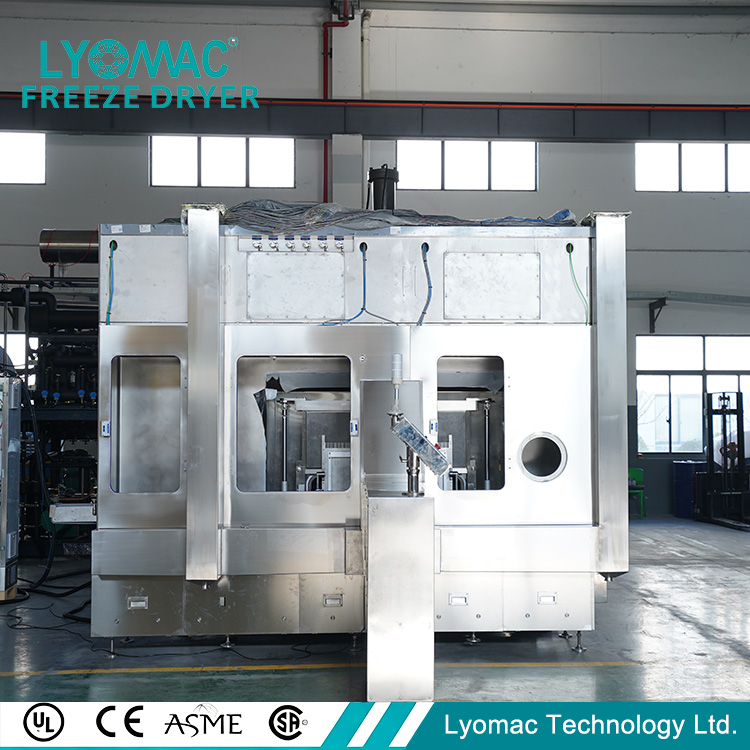
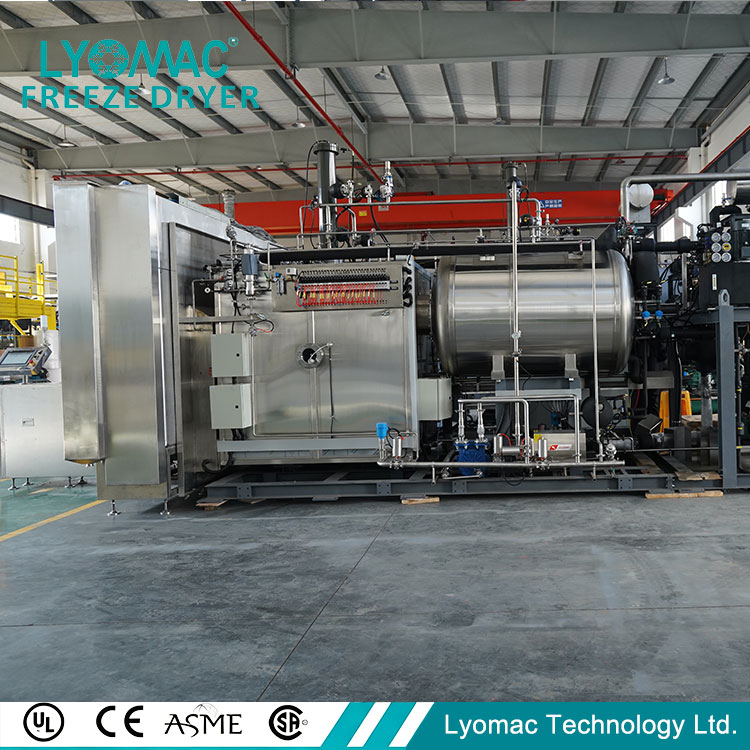
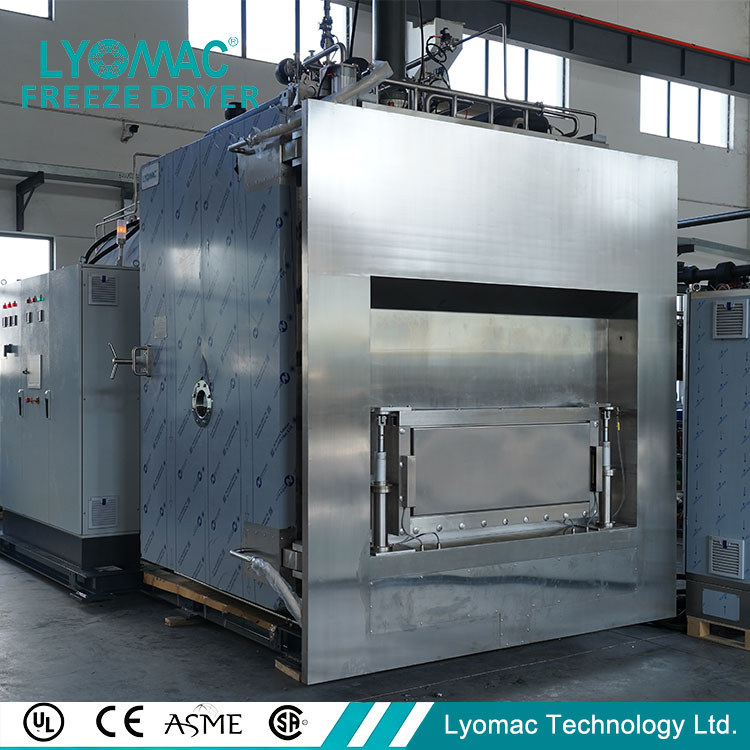
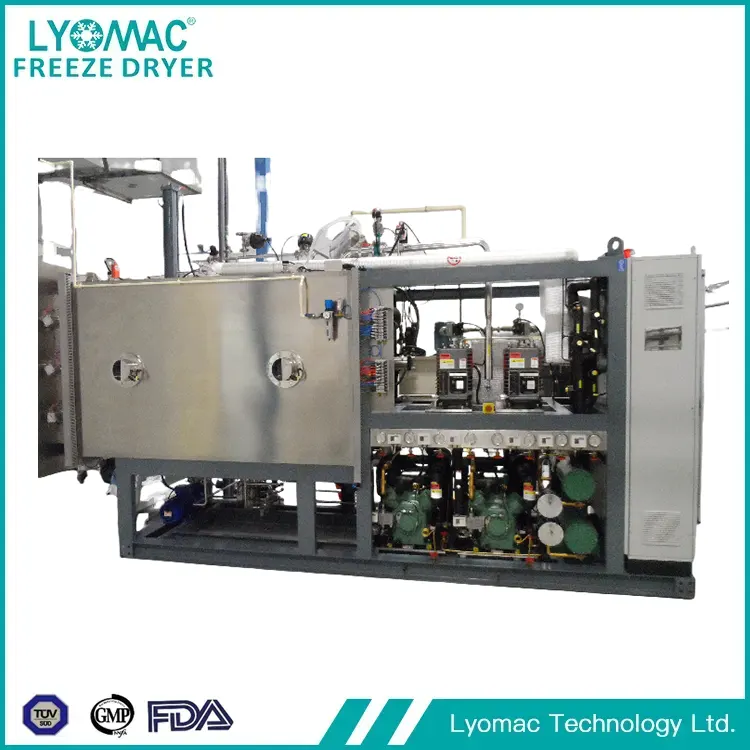
The industrial freeze drying process — also called lyophilization — transforms products by removing moisture without damaging structure, flavour, or nutrients. This in-depth blog answers the question: What makes an Industrial freeze dryer indispensable for modern industry? We explore principles, technologies, real-world applications, and best-in-class systems including those from trusted suppliers like Lyomac, and provide practical guidance for businesses evaluating freeze drying equipment.
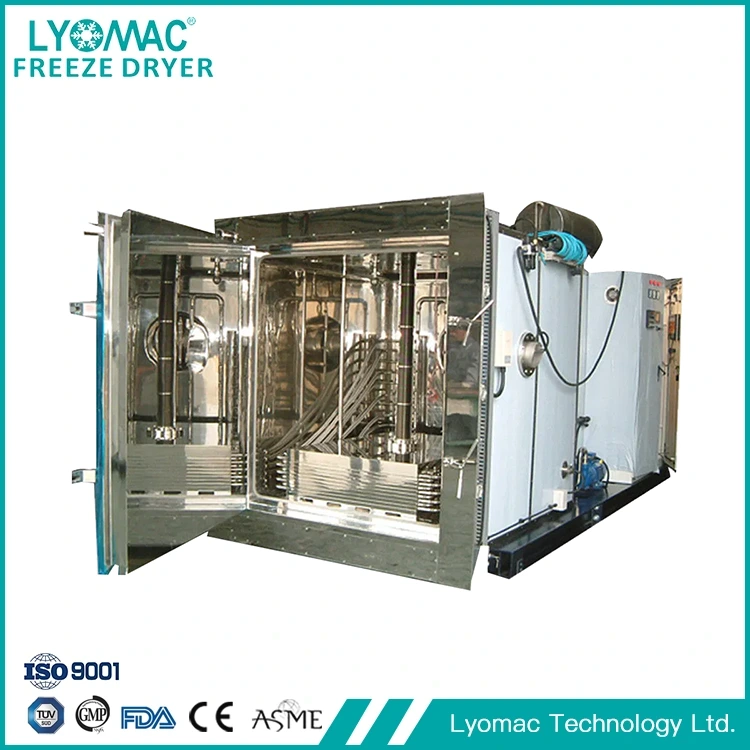
An Industrial freeze dryer is a large-scale drying system that uses controlled freezing and vacuum sublimation to remove moisture from products. Unlike conventional heat-based drying, freeze drying (lyophilization) preserves a product’s structure, texture, and nutritional value by bypassing the liquid phase — turning ice directly into vapor under vacuum.
This method is widely applied from pharmaceuticals to food, chemicals, and advanced materials that require preservation without degradation of quality.
The freeze drying process consists of three main stages:
Modern systems, including those offered by brands like Lyomac, integrate intelligent controls to optimize each phase, ensuring consistency and repeatability in industrial production environments.
Freeze dryers deliver several advantages over conventional drying technology:
The flexibility of an Industrial freeze dryer makes it indispensable in multiple sectors:
Freeze drying enables high-value products like fruits, coffee, herbs, and prepared meals to retain nutrients and flavour while extending shelf life.
Used to stabilize vaccines, biologics, and sensitive APIs for long-term storage and transport.
Lyophilization preserves bioactive compounds that are heat-sensitive.
Delicate chemicals or catalysts benefit from freeze drying to avoid decomposition.
Freeze dryers are critical for reproducibility in pilot production and analytical labs.
Industrial freeze dryers vary by capacity, shelf area, vacuum range, and control capabilities. Below is a representative comparison between general industry specs and a high-capacity system from a leading manufacturer data source:
| Attribute | Typical Industrial Freeze Dryer | High-Capacity (e.g., Large Plant) |
|---|---|---|
| Capacity per Cycle | 50 kg – 500 kg | 800 kg – 2000+ kg |
| Temperature Range | -50°C to +80°C | -55°C to -75°C condenser temp. possible |
| Ultimate Vacuum | ≤ 2.7 Pa | ≤ 1.0 Pa |
| Construction Material | Stainless Steel SUS304 | Stainless Steel SUS304/316 |
These figures align with general industrial standards and manufacturer offerings in the marketplace.
Installing an industrial freeze dryer requires consideration of:
Choosing a reputable supplier like Lyomac helps ensure quality engineering, documentation, and service support.
Freeze drying removes water through sublimation under vacuum, preserving structural integrity. Traditional dehydration uses heat and can alter texture and nutrient content.
Yes — the process is more energy-intensive than conventional drying, but it yields far superior product quality and longer shelf life, making it valuable for high-value products.
Most heat-sensitive products benefit, but formulation and moisture content influence results; consulting with experts is recommended.
An Industrial freeze dryer is a powerful tool for modern production facilities seeking high-quality preservation with minimal loss of structure or nutrients. Whether for food technology, pharmaceuticals, or specialty materials, freeze drying enables businesses to deliver consistent, premium products to market.
To explore optimized solutions tailored to your production needs, contact us today — our team can help you find the right industrial freeze dryer configuration and detailed technical support.