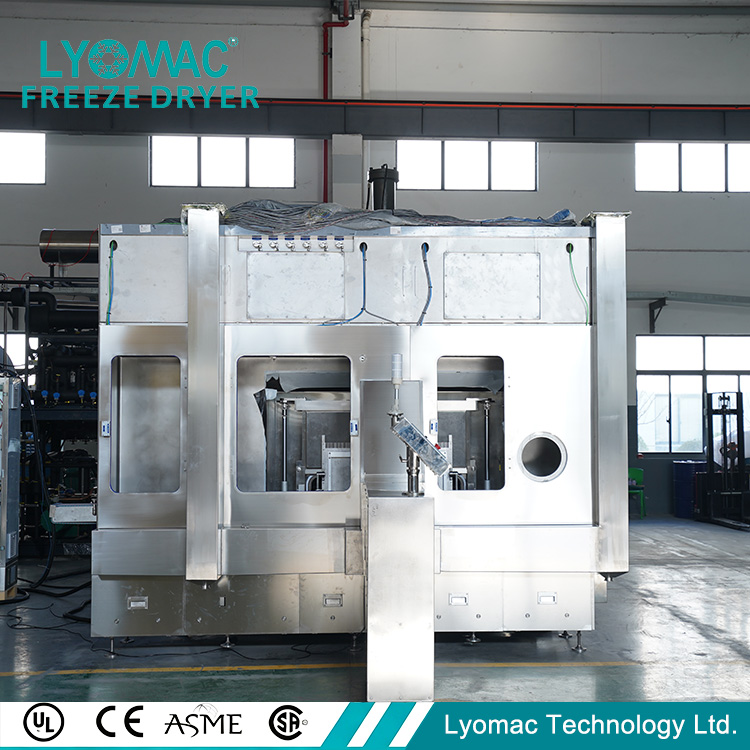
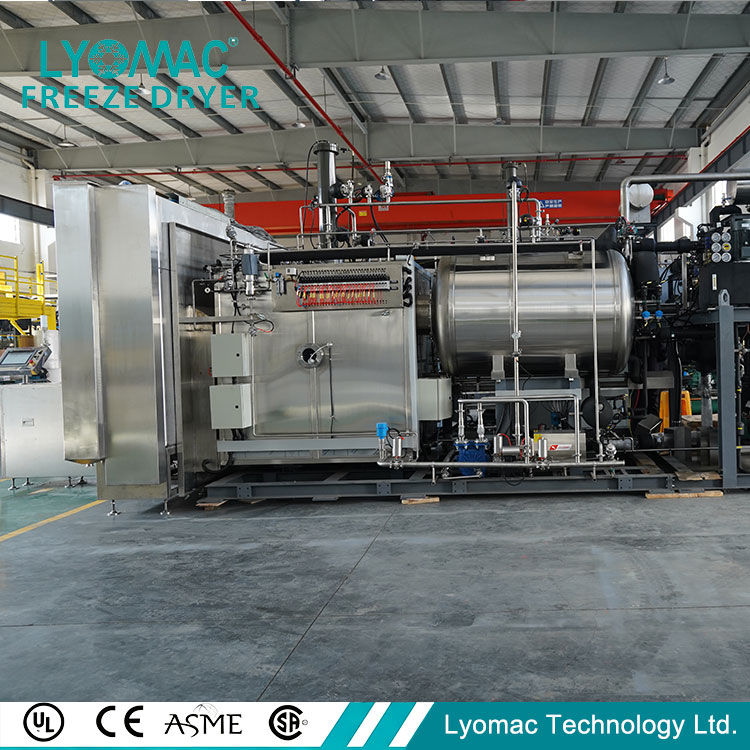
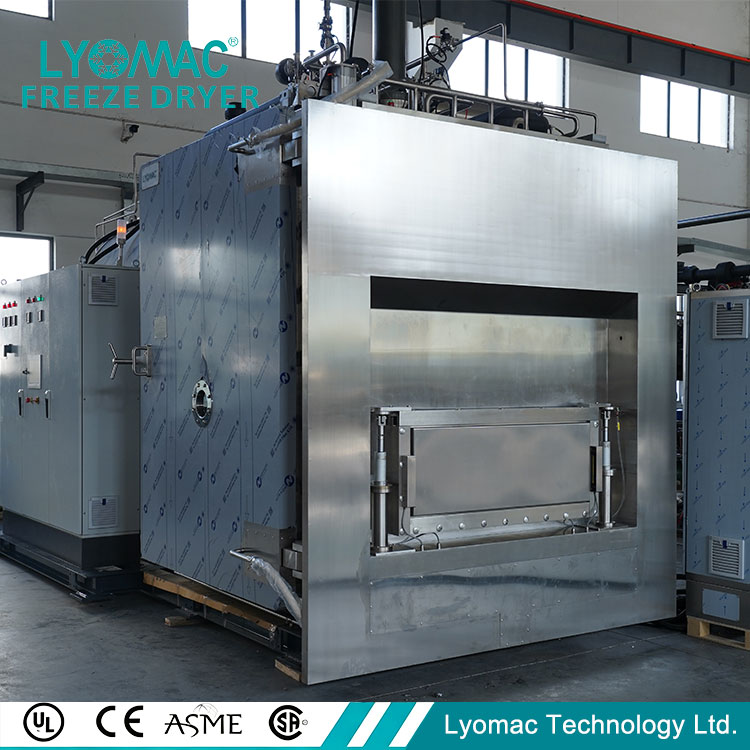
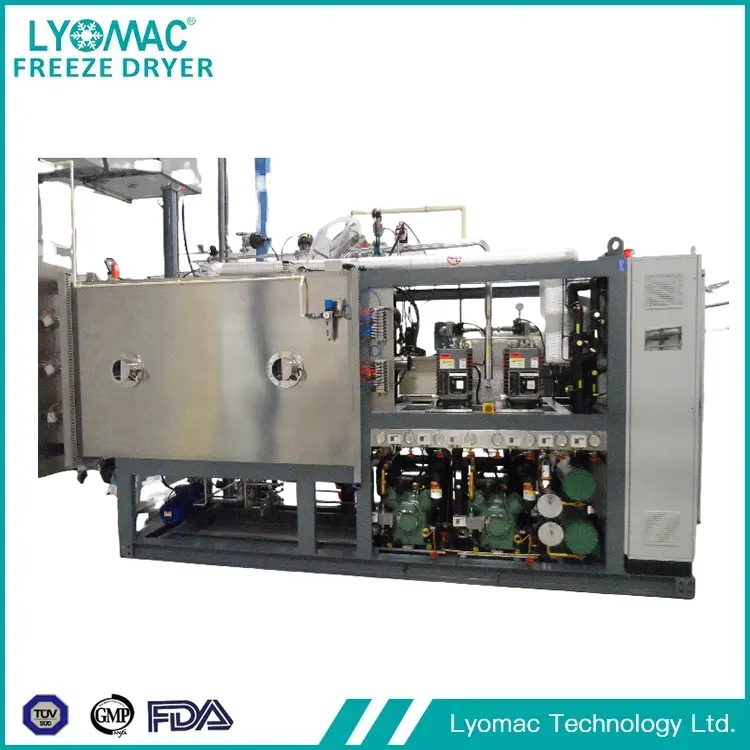
The development of modern vaccine manufacturing requires advanced preservation technologies that can maintain product quality, stability, and safety throughout the production and storage process. Biological products such as rabies vaccines are sensitive to environmental changes, making controlled drying technologies an important part of pharmaceutical manufacturing. A Freeze Dryer for Rabies Vaccine provides a specialized solution by creating carefully controlled conditions for moisture removal while helping protect the characteristics of sensitive biological formulations.
As pharmaceutical companies continue to improve vaccine production processes, the demand for reliable lyophilization systems is increasing. Manufacturers need equipment that combines precise temperature management, stable vacuum control, automated operation, and compliance-oriented engineering. These requirements are driving innovation in freeze drying technology and encouraging the adoption of more advanced production solutions.
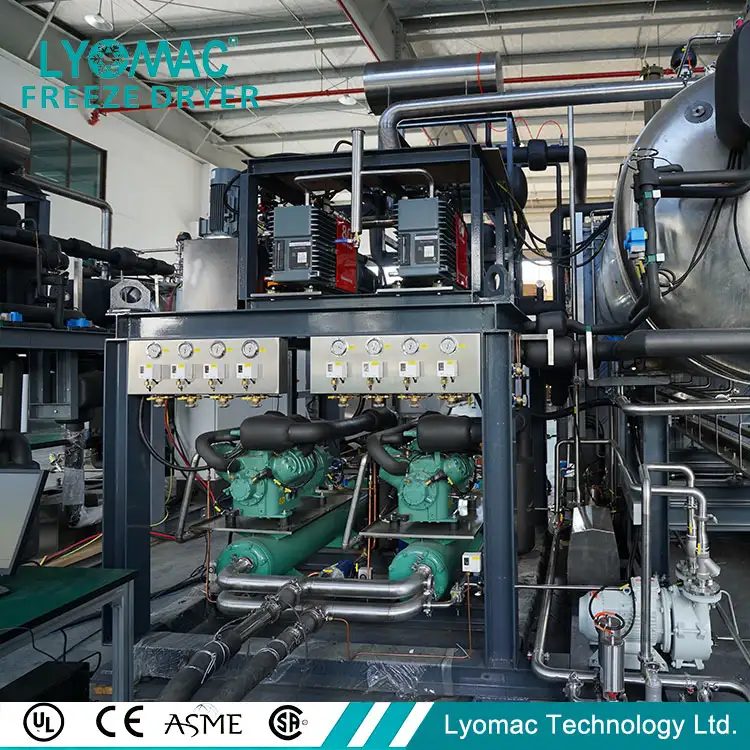
Lyophilization is widely recognized as an effective preservation method for pharmaceutical and biological products. The process removes moisture from frozen materials under controlled vacuum conditions, helping create a stable dried structure that can support long-term storage and efficient reconstitution.
Vaccine formulations often contain active biological components that require careful protection during processing. Exposure to unsuitable temperatures, excessive moisture, or unstable processing conditions may influence product performance. Freeze drying helps minimize these risks by providing a controlled environment throughout the drying cycle.
The success of a lyophilization process depends on accurate control of multiple factors, including freezing behavior, heat transfer, chamber pressure, and moisture removal. Advanced equipment allows manufacturers to establish repeatable conditions that support consistent product quality.
Storage stability is a critical consideration for vaccine manufacturers because biological products must maintain their intended characteristics throughout their usable period. Reducing residual moisture through a controlled drying process can contribute to better stability and improved handling during transportation and storage.
Modern pharmaceutical facilities are increasingly focusing on preservation methods that provide reliable results while meeting strict quality expectations. Well-designed lyophilization systems support this goal by combining engineering precision with advanced process management.
| Process Area | Main Function | Manufacturing Benefit |
|---|---|---|
| Freezing stage | Creates a controlled frozen structure | Supports stable drying performance |
| Drying stage | Removes moisture under vacuum conditions | Improves product stability |
| Control system | Monitors critical process conditions | Enhances production consistency |
| Automation system | Manages equipment operation | Reduces operational variation |
The performance of pharmaceutical freeze drying equipment depends on the integration of mechanical design, process control technology, and automation systems. Modern solutions are developed to meet the demanding requirements of biological manufacturing environments.
Temperature and vacuum conditions directly influence the quality of freeze dried products. During the drying cycle, even small changes in process parameters may affect product structure and moisture removal efficiency.
Advanced systems provide accurate monitoring and adjustment capabilities, allowing operators to maintain stable conditions during critical processing stages. This precise control helps manufacturers achieve repeatable results and improve overall process reliability.
Automation has become an important direction in pharmaceutical manufacturing because it helps improve workflow control and reduce unnecessary manual operations. Integrated loading systems, intelligent control platforms, and automated monitoring functions provide better process management.
Automated equipment can support consistent operation by reducing differences caused by manual handling. This is particularly valuable in vaccine production environments where process accuracy and contamination control are important considerations.
Pharmaceutical production requires equipment designed according to strict hygiene and contamination prevention principles. Freeze drying systems used for vaccine applications need suitable materials, reliable sealing structures, and optimized internal designs.
A well-engineered system should support cleaning procedures, maintenance activities, and qualification processes. These design considerations help pharmaceutical facilities maintain a controlled production environment while improving equipment reliability.
Selecting appropriate lyophilization equipment requires a comprehensive understanding of product characteristics, production requirements, and facility conditions. The right system should not only support current manufacturing needs but also provide flexibility for future development.
Different biological products may require different drying approaches. Before selecting equipment, manufacturers need to evaluate formulation characteristics, freezing behavior, drying requirements, and reconstitution performance.
Process development plays an important role in determining suitable operating conditions. Laboratory studies, pilot verification, and production implementation should be connected through a consistent engineering approach.
Pharmaceutical production depends on reliable equipment operation. Unexpected downtime may affect manufacturing schedules and increase operational challenges. Therefore, equipment quality, component reliability, and technical support capability are important considerations.
Manufacturers should evaluate not only the equipment itself but also the supplier’s engineering experience, service capability, and ability to provide customized solutions.
Pharmaceutical equipment must be developed with quality standards and regulatory expectations in mind. Documentation, traceability, process validation support, and manufacturing control are important elements of a successful equipment project.
Systems designed according to international pharmaceutical practices can provide stronger support for qualification activities and long-term operation. A professional equipment supplier should understand both engineering requirements and pharmaceutical manufacturing expectations.
The pharmaceutical industry continues to explore new technologies that improve efficiency, automation, and process transparency. Freeze drying systems are evolving through digital monitoring, intelligent control, and more flexible manufacturing approaches.
Modern manufacturing environments increasingly rely on data collection and process analysis. Advanced monitoring technologies provide valuable information about temperature changes, pressure conditions, and drying behavior.
This information helps engineers better understand process performance and optimize production strategies. Improved visibility also supports faster troubleshooting and more reliable manufacturing decisions.
Vaccine development and manufacturing environments may involve different production scales and application requirements. Flexible equipment platforms allow facilities to adjust configurations according to changing demands.
A scalable approach can simplify technology transfer from research environments to commercial production. It also allows manufacturers to improve efficiency without completely changing their production strategy.
Future pharmaceutical facilities are expected to become increasingly connected. Equipment integration, automated material handling, and intelligent production management will help create more efficient manufacturing environments.
By combining advanced control systems with reliable mechanical design, modern freeze drying solutions can provide stronger support for pharmaceutical innovation and quality improvement.
Choosing an experienced technology partner is an important step for pharmaceutical manufacturers seeking stable and efficient production solutions. Equipment suppliers with strong engineering capabilities can provide support from initial planning and system design to installation and technical service.
A professional supplier should understand the complexity of biological manufacturing and provide solutions based on actual process requirements. Comprehensive support, including equipment optimization, maintenance assistance, and technical consultation, helps ensure long-term operational performance.
With increasing demand for advanced vaccine preservation technologies, manufacturers are looking for equipment solutions that combine precision, reliability, and compliance. The right engineering partner can help transform complex production requirements into practical and efficient manufacturing systems.
LYOMAC is a recognized leader in supplying lyophilizers, automated loading systems, and comprehensive technical services for the biopharmaceutical and pharmaceutical industries. The company provides advanced freeze drying solutions supported by professional engineering expertise and modern manufacturing capabilities.
With a focus on precision manufacturing, quality control, and international standards, LYOMAC develops reliable systems designed for demanding pharmaceutical applications. The company’s solutions support cGMP, GAMP® 5, and FDA-related requirements while offering certifications including UL, CE, ASME, and CSA for different market needs.
Supported by an experienced technical team and worldwide service network, LYOMAC continues to develop innovative technologies that address customized requirements in pharmaceutical and biological industries. Through advanced engineering and dedicated customer support, LYOMAC helps global manufacturers achieve reliable, efficient, and high-quality vaccine preservation processes.