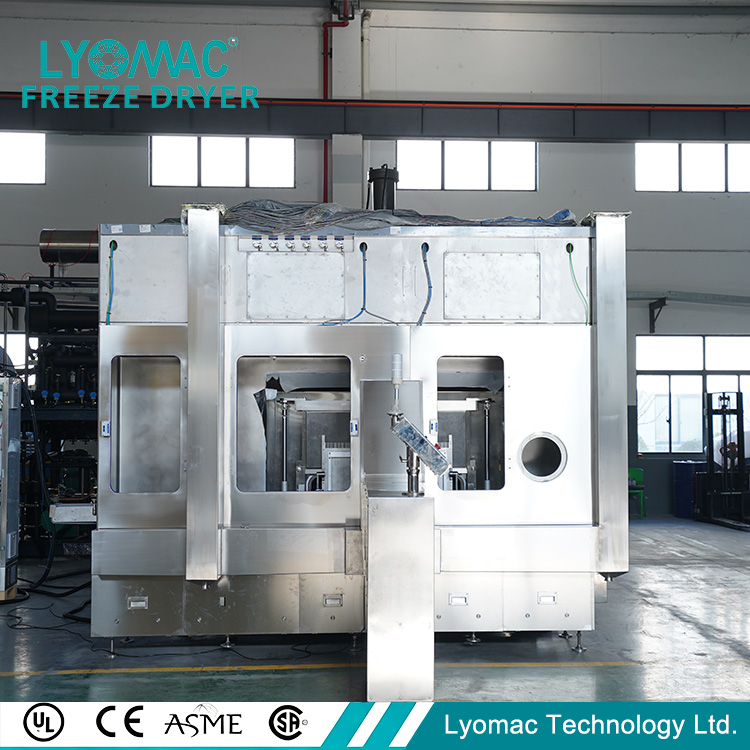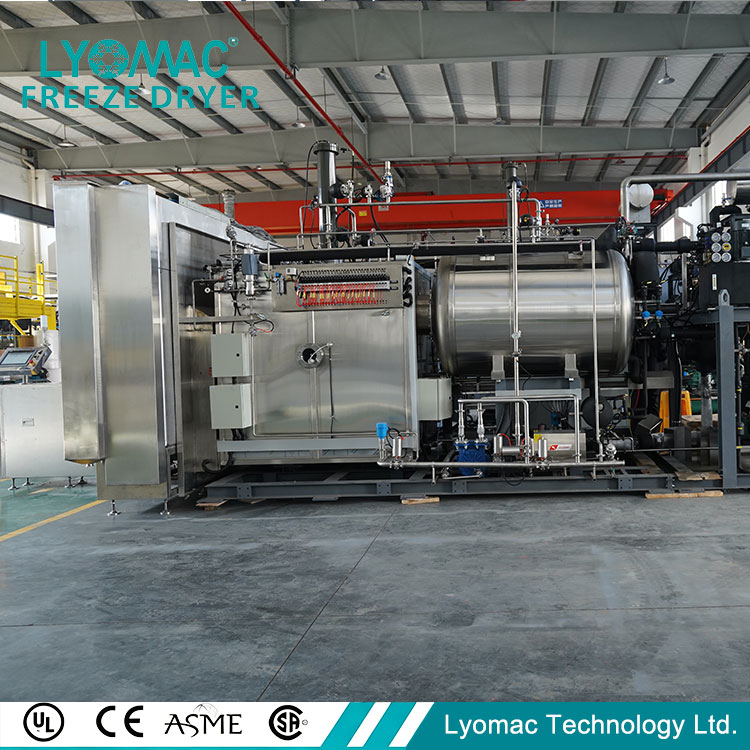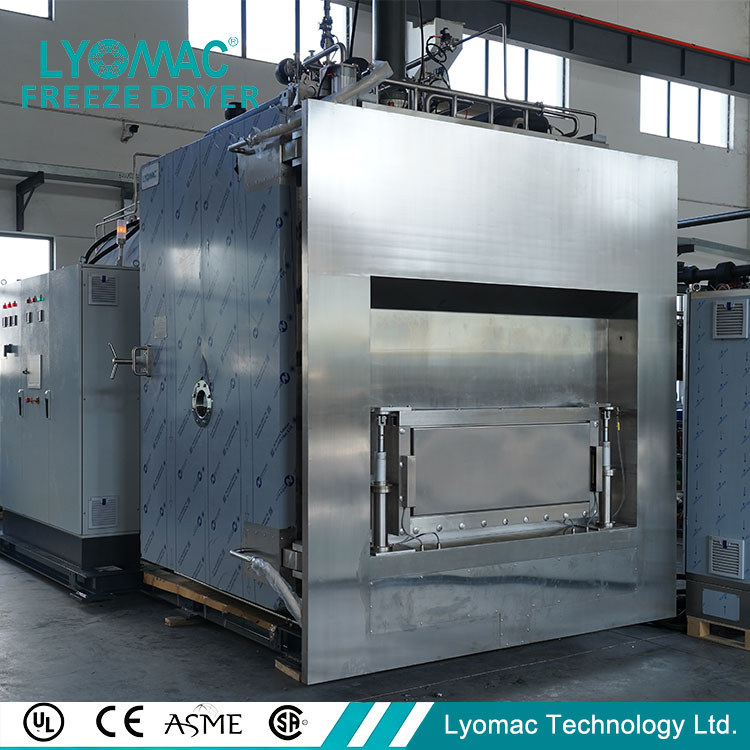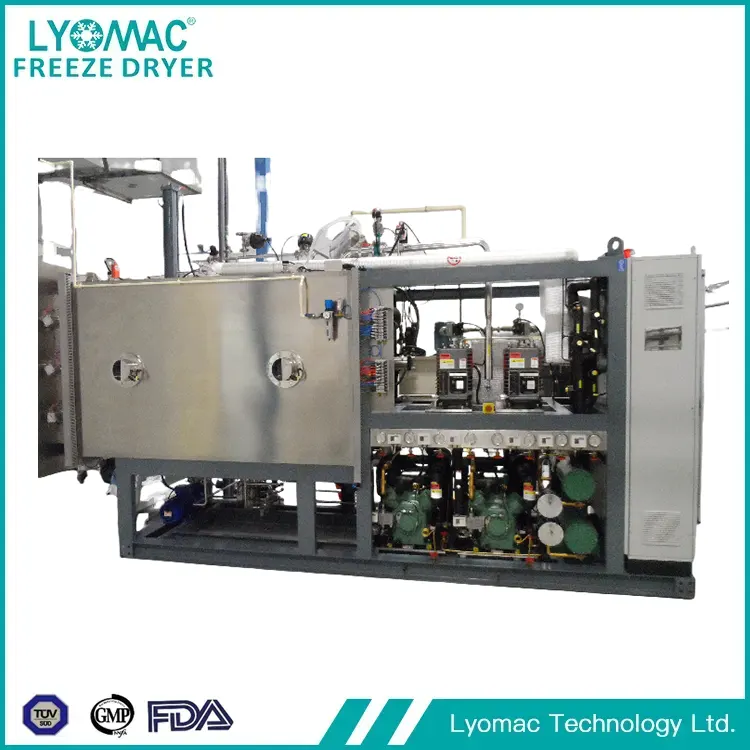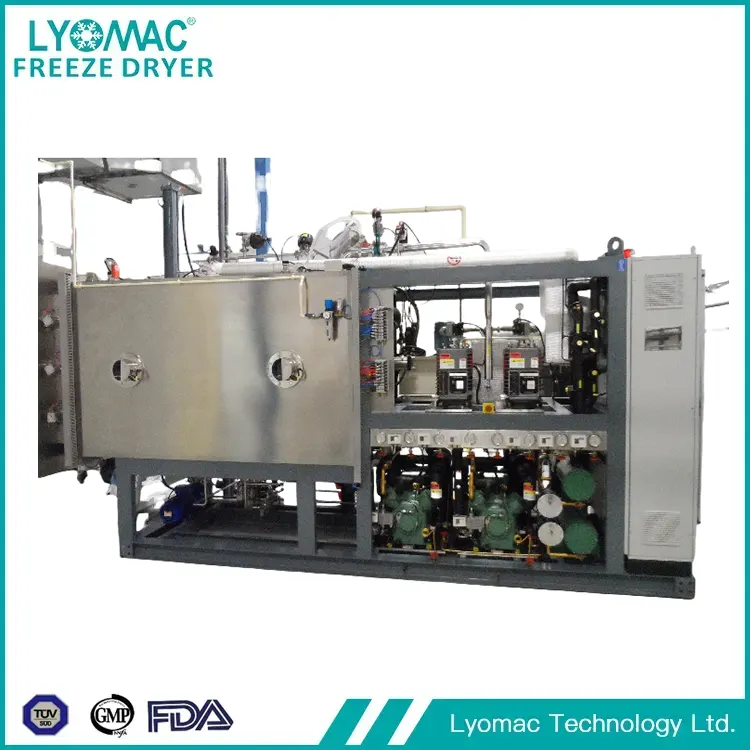
Executive Summary: The Strategic Evolution of Lyophilization In the high-stakes landscape of contemporary biotechnology and parenteral medicine, the margin for error has effectively reached zero. As pharmaceutical architectures transition toward increasingly complex biologics—such as monoclonal antibodies (mAbs), mRNA vaccines, and advanced therapy medicinal products (ATMPs)—the demand for highly specialized, reliable, and compliant thermal separation technology has never been more acute. LYOMAC TECHNOLOGY LTD has emerged as a global vanguard in this sector, transcending traditional manufacturing to become a premier architect of advanced lyophilizer systems.
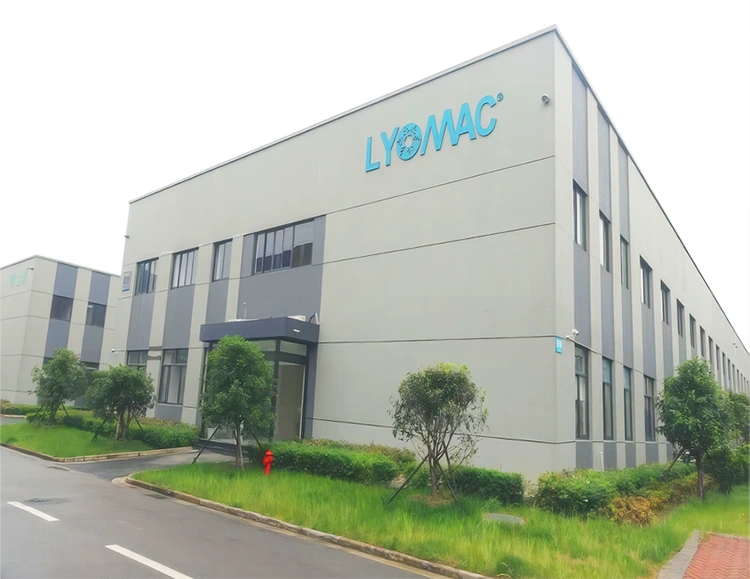
Dear Customers and Partners, Over the last two decades, LYOMAC TECHNOLOGY LTD has focused exclusively on advancing freeze drying technology for pharmaceutical, biotech, and food industries. Today we reaffirm our commitment: to engineering excellence, rigorous compliance, and long term service that safeguards your production and product quality.
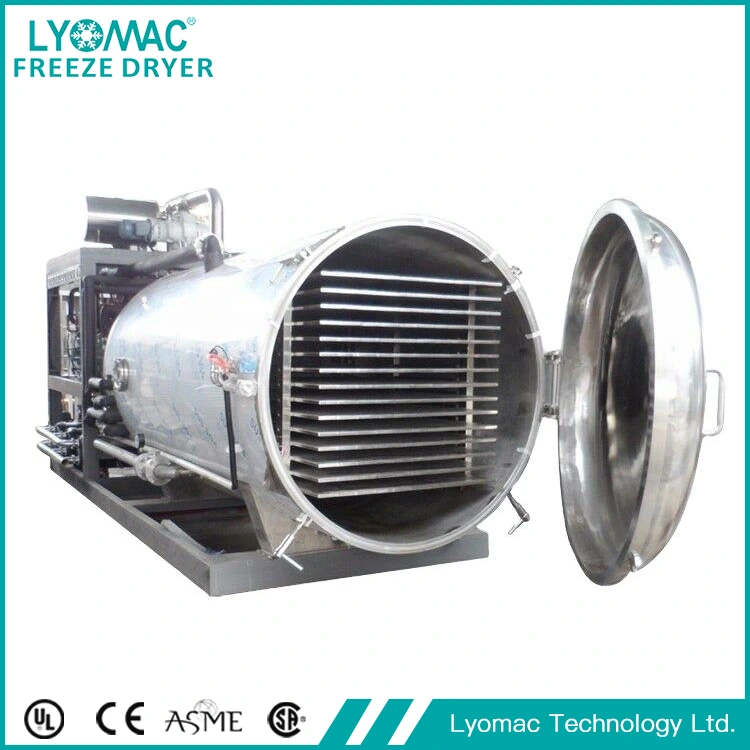
As global supply options mature, purchasers increasingly evaluate domestic high end freeze dryers against established import brands. This article analyzes comparative factors—technical performance, validation readiness, lifecycle support, and total cost of ownership—drawing on LYOMAC TECHNOLOGY LTD’s market experience with Lyopro lines.
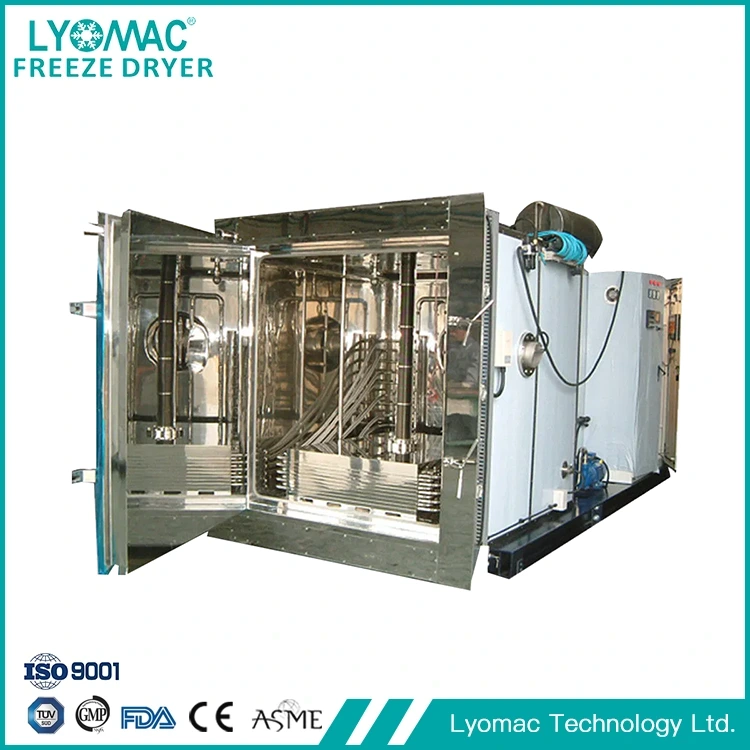
Sustainable refrigeration and reduced greenhouse gas footprint are growing priorities for manufacturers and equipment suppliers. LYOMAC TECHNOLOGY LTD is actively evaluating next generation refrigerants, condenser efficiency improvements, and lifecycle strategies to reduce environmental footprint across Lyopro vacuum freeze dryers and Lyopro Food lines.
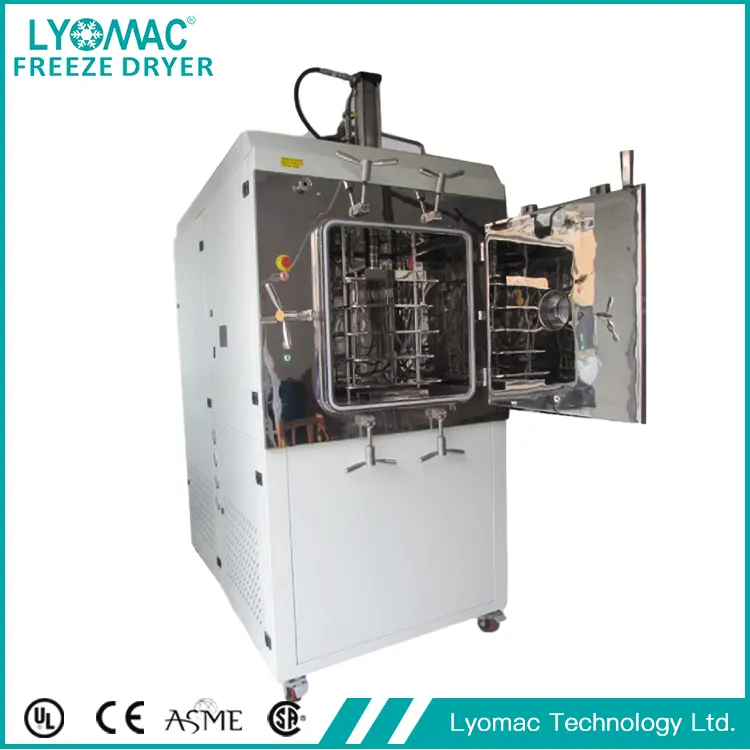
Following a year of expanded global installations, LYOMAC TECHNOLOGY LTD closed 2024 with milestone growth across multiple markets. This review synthesizes operational highlights, strategic lessons from increased deployments, and LYOMAC’s forward priorities for product innovation, service, and regulatory alignment.
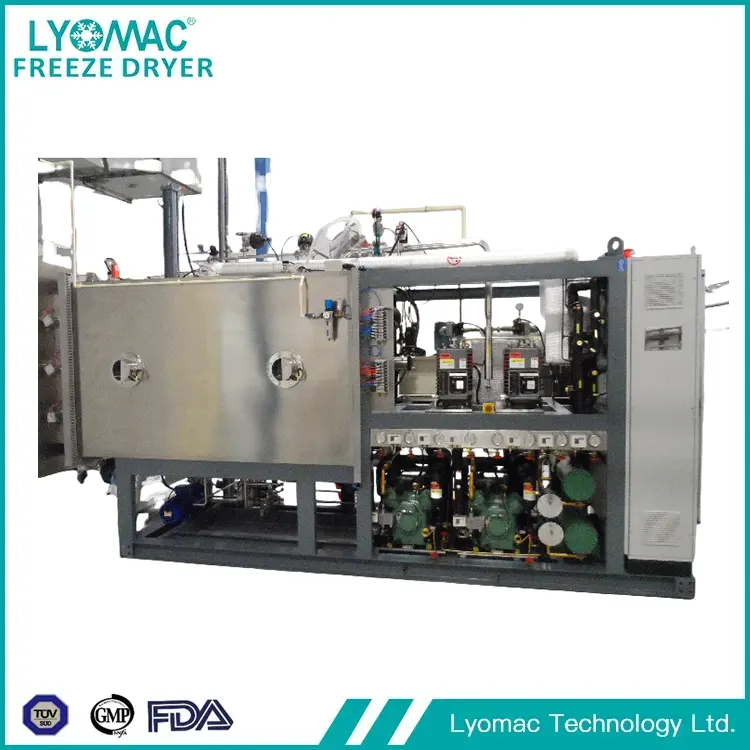
Recent revisions and clarifications in international Good Manufacturing Practice (GMP) guidance—particularly updates surrounding sterile manufacture, computerized systems, and contamination control—are reshaping expectations for lyophilization lines worldwide.